
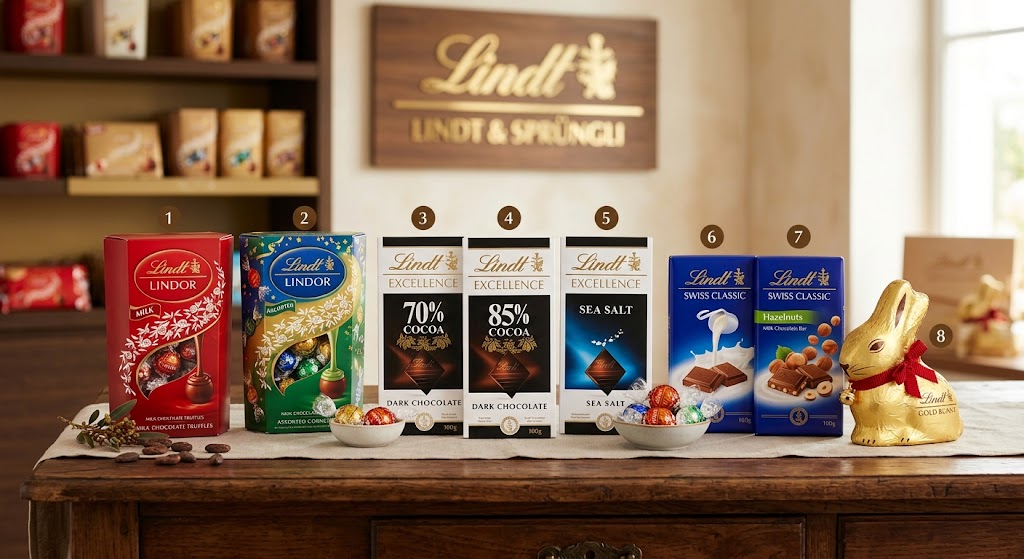
Gemini: A prime example of a publicly traded Swiss company that is predominantly owned by domestic Swiss private investors—without state or cantonal ownership—is Lindt & Sprüngli AG.
The premium chocolatier operates with a distinct governance structure designed specifically to maintain independent domestic ownership:
- Shareholder Base: Unlike major blue-chip stocks like Nestlé, Roche, or Novartis—which have heavy foreign institutional ownership (often exceeding 50% from US/UK funds)—Lindt is primarily held by Swiss private investors, local family offices, and domestic retail shareholders.
- Protective Ownership Structure:
- The company issues two share classes: high-value registered shares (Registered Shares) and participation certificates (Partizipationsscheine).
- Voting rights are concentrated in the registered shares, where voting caps prevent foreign institutional funds or hostile entities from acquiring voting control.
- Cultural Loyalty: Lindt is famously known in Switzerland for its physical General Assembly (AGM) in Zurich, where attendance by thousands of Swiss individual shareholders is a landmark annual tradition.
Other Notable Swiss Companies (Privately Held or Family-Controlled)
If looking beyond publicly listed equities to traditional companies owned by Swiss individuals/families rather than institutional or government funds:
- Confiserie Sprüngli AG: Completely independent from Lindt, this iconic Swiss luxury confectionery business remains privately held by the Sprüngli family.
- Victorinox (Swiss Army Knife): Headquartered in Ibach (SZ), Victorinox is entirely controlled by the Elsener family through a company foundation (90%) and a charitable foundation (10%). This structure explicitly prevents outside institutional or government buyouts while ensuring the firm stays strictly Swiss-owned.
- MIGROS & Coop: Both of these retail giants are organized as Swiss cooperatives owned directly by millions of individual Swiss member-citizens rather than public shareholders or cantonal/federal entities.