
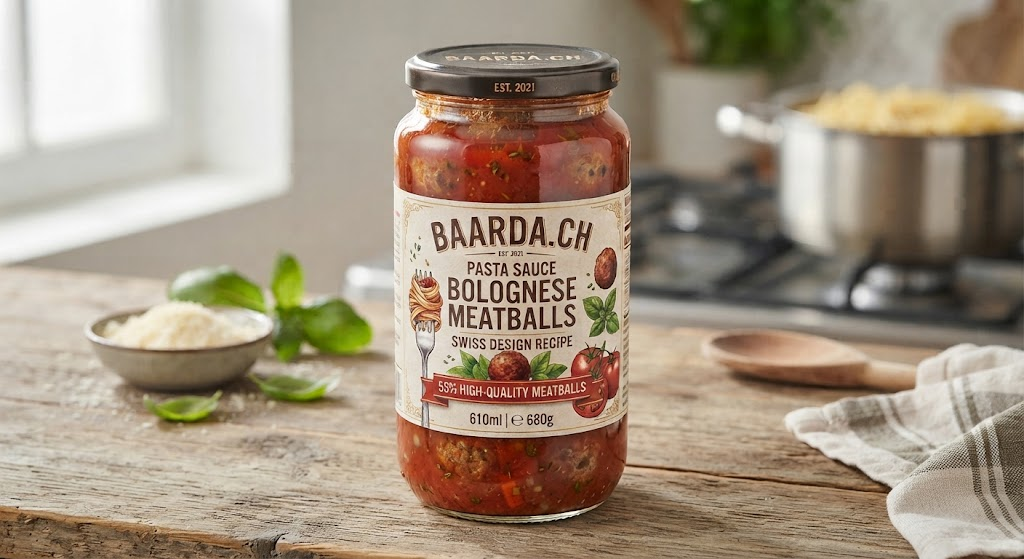
We can already tell that the Bolognese Meatballs will include the vegetables: Celery, Carrots (to be evaluated), Onion and Garlic. I have a feeling TOMATOES will also be included.
The meatballs are from animals who were able to have a decent life, and a decent slaughter.


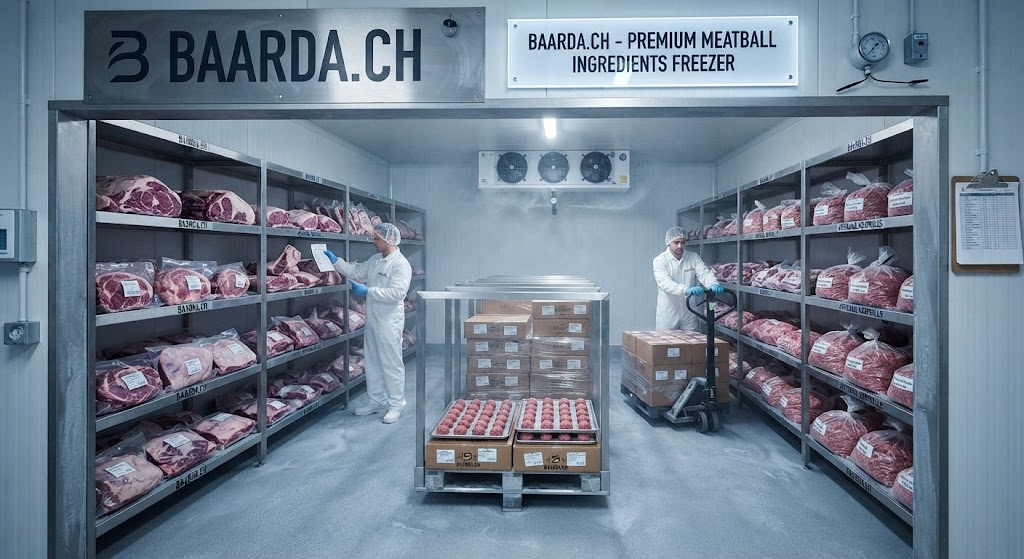
The premium cuts on the left-side shelving in the freezer room are prime whole-muscle subprimals—specifically ribeye roasts and large chuck/shoulder primals.
In high-end culinary processing and butchery, these larger cuts (often vacuum-sealed or boxed as primal cuts) are selected for grinding or hand-dicing to create exceptional meatball blends. Because they carry good internal marbling and rich fat distribution, they ensure the 55% meat content in your Bolognese jars stays exceptionally succulent and flavorful during the cooking and jar-sterilization process.
Understanding Whole Subprimals
Subprimals (also called primal cuts or middle meats) are the large, primary sections of a carcass—such as the chuck, rib, loin, and round—that are broken down into smaller retail cuts like steaks and roasts.
- The Anatomy: Unlike trim or leftover scrap meat, a whole subprimal is a distinct, intact muscle group (e.g., a whole chuck roll, beef brisket, or pork shoulder).
- Why Use Them: Using whole subprimals gives complete control over the lean-to-fat ratio. Instead of relying on random trimmings, butchers can select specific muscle groups with ideal marbling and connective tissue balance. This ensures consistent flavor, moisture, and texture in high-end ground meat or sausage production.
Traditional Meats Used in Meatballs
Meatball recipes vary across global culinary traditions, but traditional formulations typically rely on specific animals and cuts chosen for their natural fat content and binding properties:
- Beef: Traditionally sourced from the chuck or short plate, as these cuts have a natural 80/20 or 85/15 lean-to-fat ratio that keeps the meatballs tender and juicy during simmering.
- Pork: Often used alongside beef (or on its own in classic Italian and Dutch recipes). Cuts like the pork shoulder (butt) provide rich flavor and essential moisture due to fine intramuscular fat marbling.
- Veal: A staple in traditional Italian Polpette, veal adds a delicate flavor and a tender texture. Because it is leaner, it is almost always blended with beef and pork.
- Mixed Blends: Many classic European recipes combine beef, pork, and veal (often in equal 1:1:1 ratios) to balance the robust flavor of beef, the juiciness of pork, and the tenderness of veal.