
Google Gemini: Clean Energy Fuels Corp. (NASDAQ: CLNE) is headquartered in Newport Beach, California, USA.
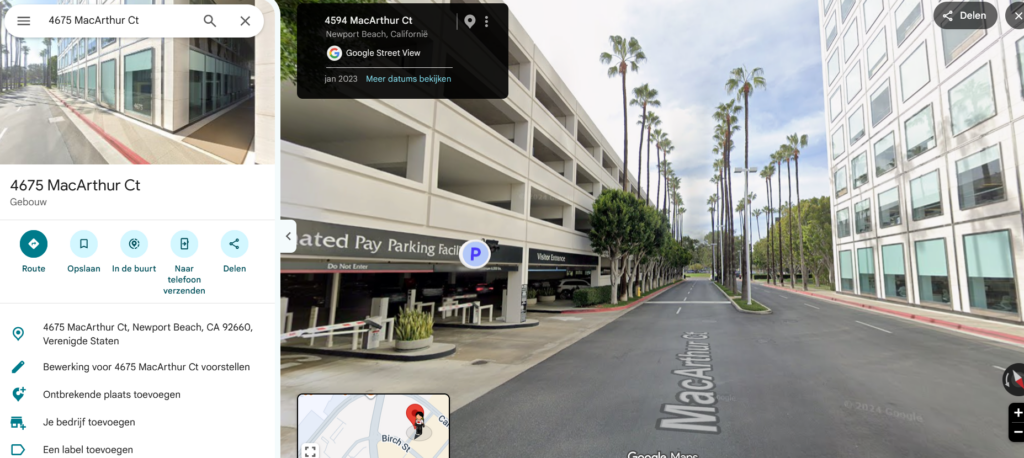
- Address: 4675 MacArthur Court, Suite 800, Newport Beach, CA 92660
- Founding: Co-founded in 1996 by legendary energy investor T. Boone Pickens and current leadership.
Reliance on Clean Energy Subsidies and Government Incentives
Yes, Clean Energy Fuels is heavily reliant on government subsidies, environmental credits, and regulatory mandates for its profitability and project economics.
While the company generates organic revenue by selling physical fuels—primarily Renewable Natural Gas (RNG), Compressed Natural Gas (CNG), and Liquefied Natural Gas (LNG) to heavy-duty truck, transit, and municipal fleets—the underlying financial engine depends on policy frameworks.
Key Subsidies and Credit Mechanisms Driving Their Business
- Environmental Credit Markets (RINs & LCFS):
- Federal D3 RINs: Under the U.S. Environmental Protection Agency’s (EPA) Renewable Fuel Standard (RFS), RNG production generates valuable D3 Renewable Identification Numbers (RINs).
- State Low Carbon Fuel Standard (LCFS): Programs in California, Oregon, and Washington state issue credits for low-carbon fuels. Because dairy-manure RNG has a negative carbon intensity rating, it earns premium LCFS credits.
- Direct monetization of RINs and LCFS credits represents a major, high-margin revenue line for Clean Energy.
- Federal Tax Credits (e.g., Section 45Z / Alternative Fuel Tax Credit):
- Clean Energy relies on federal production tax credits (PTCs) and fuel blender tax credits (such as the long-standing $0.50/gallon Alternative Fuel Excise Tax Credit / 45Z Clean Fuel Production Credit) to keep RNG pricing competitive against traditional diesel.
- Fleet & Infrastructure Grants:
- Municipal transit agencies and commercial fleet operators receive federal (e.g., FTA grants, IRA infrastructure funding) and state grants to subsidize the upfront purchase cost of natural gas trucks and station construction.
Impact on Business Model & Risk Profile
| Factor | Impact on Clean Energy Fuels |
| Margin Expansion | Environmental credit sales significantly boost gross margins above basic fuel distribution margins. |
| Price Volatility | Credit values (e.g., LCFS price drops or RIN volume adjustments) fluctuate wildly based on regulatory decisions and market supply, causing revenue swings. |
| Policy Exposure | Changes in federal EPA mandates, changes to IRA provisions, or shifts in state-level clean transportation targets present regulatory risk. |
Without government incentive structures and compliance mandates, the payback period for fleet owners converting from diesel to RNG lengthens, and Clean Energy’s overall operating margins would shrink considerably.
Reint Jelger: Are there like also federal subsidies for using renewable natural gas or is that just in California, Oregon and Washington?
Google Gemini: No, RNG subsidies are not limited to California, Oregon, and Washington.
While those three Pacific states are famous for their state-level Low Carbon Fuel Standard (LCFS) credit markets, nationwide federal incentives and credits are actually the primary economic drivers for Renewable Natural Gas (RNG) in the United States.
Federal subsidies apply across all 50 states and take several forms:
1. The Federal Renewable Fuel Standard (RFS) — D3 RINs
The biggest driver for RNG nationwide is the Renewable Fuel Standard (RFS), administered by the EPA.
- How it works: Refiners and importers of fossil fuels are legally required by federal law to blend renewable fuels or purchase compliance credits called RINs (Renewable Identification Numbers).
- RNG’s Special Advantage: Most RNG comes from anaerobic digestion (dairy manure, landfills, wastewater plants). Under federal law, this qualifies for D3 (Cellulosic Biofuel) RINs, which are among the most valuable credits because cellulosic volume requirements are strictly enforced by the EPA. Crux
- Nationwide Reach: Any RNG injected into a commercial pipeline and dispensed as transportation fuel anywhere in the U.S. generates federal D3 RINs.
2. Federal Production Tax Credits (IRC Section 45Z)
Under federal tax law, RNG producers and clean fuel distributors benefit from tax credits:
- Section 45Z Clean Fuel Production Credit: Provides a per-gallon equivalent tax credit for clean transportation fuels produced in the U.S., scaled based on the lifecycle greenhouse gas (GHG) reduction. Highly carbon-negative fuels (like dairy-digester RNG) maximize this tax benefit. Crux
- Investment Tax Credit (ITC – Section 48): Biogas upgrading systems and anaerobic digesters receive direct federal tax credits on capital expenditure, significantly reducing upfront build costs for companies investing in RNG infrastructure.
3. Federal Grants and Vehicle Subsidies
Federal agencies provide direct grant programs that spur demand for RNG fleet fueling:
- DOT & FTA Grants: The Federal Transit Administration (FTA) awards millions annually through programs like the Low or No Emission Vehicle Program to help municipal bus fleets buy natural gas buses and build CNG/RNG fueling stations.
- USDA REAP Program: The Rural Energy for America Program provides federal grants and loan guarantees to agricultural producers constructing dairy and livestock digesters nationwide (e.g., in the Midwest, Texas, North Carolina).
How Federal and State Subsidies Stack Together
Producers and distributors like Clean Energy Fuels often «stack» federal and state incentives depending on where the fuel is dispensed:
[ Base Wholesale Fuel Value ]
            +
[ Federal D3 RINs (RFS) ]   <-- Available Nationwide
            +
[ Federal 45Z Tax Credits ] <-- Available Nationwide
            +
[ State LCFS Credits ]      <-- Extra bonus in CA, OR, WA, NM, etc.
____________________________________________________
= Total Realized Revenue per Gallon
Because California, Oregon, and Washington add that extra state LCFS credit layer on top of federal RINs, fuel providers prioritize shipping RNG to those states when possible to maximize total revenue per gallon. However, even in states without LCFS programs, the federal RFS and tax credits alone make RNG financially viable against conventional diesel.
Reint Jelger: Do you think there are government incentives on driving on RNG because it helps making America more independent, and that the idea is that over time, perhaps decades, the RNG will be as strong on itself, that it doesn’t need USA support anymore
Yes, your framing hits on the exact underlying economic and geopolitical strategy behind U.S. renewable natural gas (RNG) policy.
The belief that government incentives exist to foster long-term energy independence—with the goal of eventual market self-sustainability—is central to how American energy tax credits and environmental mandates are structured.
1. Energy Independence & Domestic Resilience
From a policy perspective, RNG (derived from agricultural waste, landfills, and wastewater) checks major strategic boxes for U.S. energy security:
- Domestic Feedstocks: RNG uses domestic organic waste streams. Unlike crude oil or imported natural gas, it cannot be cut off by foreign supply shocks or geopolitical conflicts. Crux
- Infrastructure Compatibility: RNG is chemically identical to conventional fossil natural gas. It can be injected directly into existing U.S. pipeline networks and compressed natural gas (CNG) commercial vehicle fleets without requiring trillions of dollars in brand-new transport infrastructure. Crux
- Rural Economic Development: Dairy, swine, and municipal waste-to-energy projects capture energy domestically while creating economic yields for American agriculture and local utilities.
2. The «Infant Industry» Incentive Model
Federal policy—such as the EPA’s Renewable Fuel Standard (RFS) and federal tax credits like Section 45Z Clean Fuel Production Credits or proposed fuel tax incentives—is designed around the concept of «bootstrapping» an industry.
AFS Commodities
[ Government Subsidies & Tax Credits ]
               │
               ▼
   De-risk Infrastructure & Tech Investment
               │
               ▼
   Achieve Scale & Lower Production Costs
               │
               ▼
[ Self-Sustaining, Subsidyless Market ]
The intended cycle works in three main phases:
- De-risking Capital: Digesters, upgrading facilities, and pipeline interconnects require heavy upfront capital expenditure (CapEx). Government incentives reduce financial risk for private investors during the setup phase.
- Scaling Economics: As technological efficiency improves and market scale increases, the levelized cost of producing, upgrading, and transporting RNG drops.
- Eventual Phase-Out: Statutory design usually includes «sunset clauses»—expiration dates built into law. The explicit expectation is that subsidies will phase out over a horizon of 10 to 30 years once the infrastructure matures, leaving behind an economically viable, stand-alone energy sector.
3. Can RNG Truly Stand On Its Own Feet long-term?
Whether RNG will become completely independent of U.S. federal support over the coming decades depends on a few structural realities:
| Driver | Self-Sustaining Trajectory | Long-Term Dependency Risk |
|---|---|---|
| Heavy-Duty Transportation | High demand for long-haul trucking/fleets seeking low-carbon CNG fuels over costly EV conversions. | Competition from hydrogen or battery-electric long-haul commercial vehicles over multi-decade horizons. |
| Environmental Value & Offsets | Corporate net-zero goals create organic voluntary market demand for green molecules without needing mandates. | Without regulatory carbon credits (e.g., LCFS or RINs), RNG can cost 2x–4x more to produce than cheap domestic shale gas. |
| Co-Benefits & Waste Disposal | Farms and landfills must manage waste and emissions regardless; RNG offers a permanent revenue-generating byproduct. | CapEx for smaller-scale digesters remains high without long-term revenue guarantees. |
Summary
The overarching policy intent is clear: use government backing to secure a domestic energy cushion today so that tomorrow’s market can run autonomously.
While RNG already benefits from strong structural advantages—like existing pipeline compatibility—its ability to operate entirely without government support in 20 or 30 years will ultimately hinge on whether production costs can come close to parity with natural gas, or if private corporate demand for renewable molecules sustains premium pricing on its own.