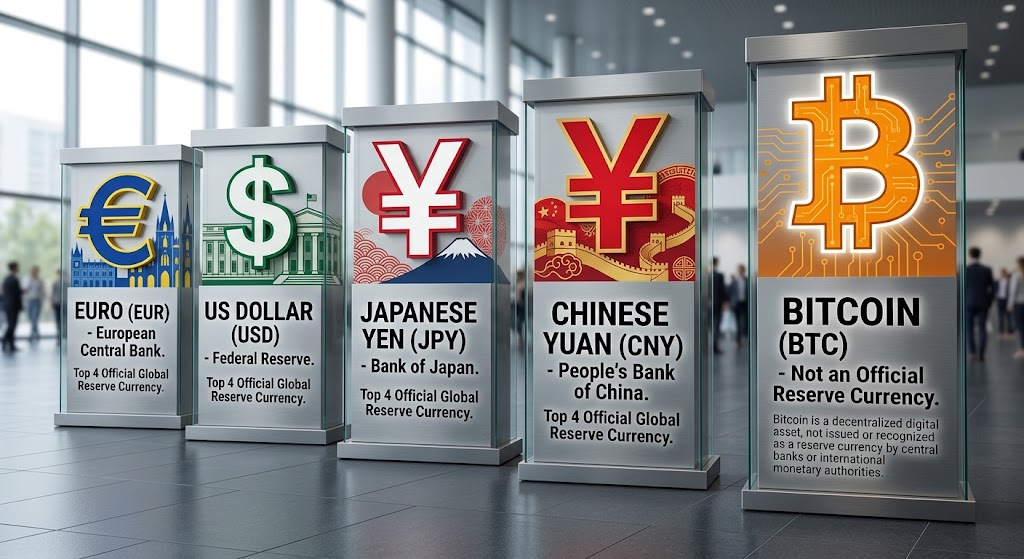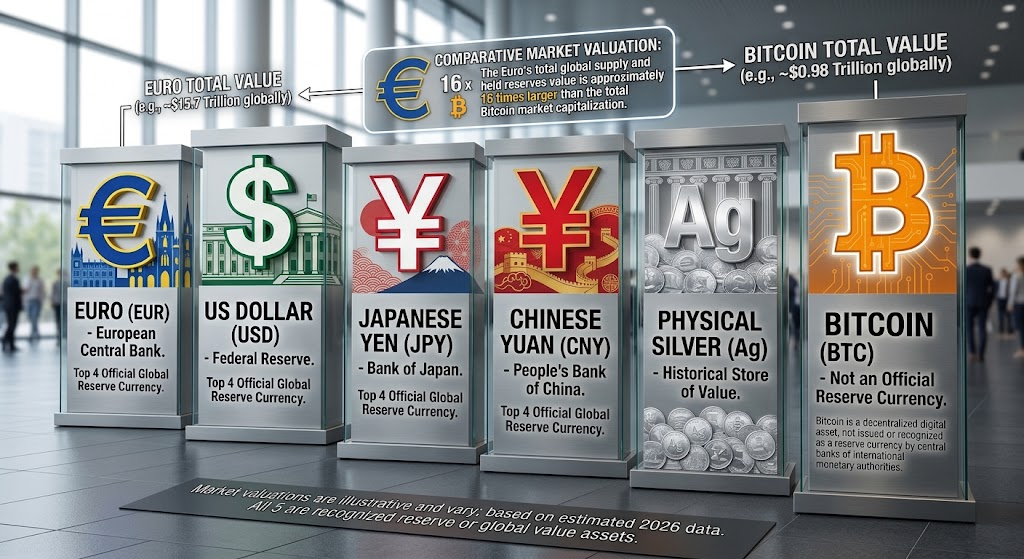
Hi Gem, a few months ago I had the post «can a funder from vietnam send Bitcoin to a terrorist in South America» and you said that it was possible but the off-ramp is guarded. Later I heard from bankers, that with normal money it is also possible to send from Vietnam to South America. Could you elaborate if bitcoin is more dangerous or not?

Whether Bitcoin or traditional fiat bank transfers (via networks like SWIFT) pose a greater threat for illicit cross-border transfers—such as moving funds from Vietnam to a designated group in South America—depends on which phase of the transaction is being evaluated.

Both financial systems can be exploited, but they operate on fundamentally different friction points, control architectures, and monitoring capabilities.

Comparison Matrix: Fiat (Banking/SWIFT) vs. Bitcoin

ParameterTraditional Fiat (Banking / SWIFT)Bitcoin (On-Chain / P2P)
Settlement & SpeedHigh friction (2–5 business days), manual reviews possible.Low friction (minutes to hours), 24/7 autonomous settlement.
Pre-Transaction ControlGatekeeper / Interception model. Payments can be paused, frozen, or rejected mid-flight.Permissionless model. Transactions cannot be blocked mid-flight by any authority once broadcast.
Identity & KYCIdentity is verified at the front end; strict Know-Your-Customer (KYC) required for accounts.Pseudonymous on-chain; addresses are public, but real-world identity links depend on off-ramps.
Post-Transaction AuditabilityPrivate/fragmented ledger across multiple banks. Requires international legal requests (MLATs) to trace.Public, immutable ledger. Global intelligence agencies and blockchain analytics can permanently trace funds.

Why Fiat Can Be Used (The Bank Scenario)

The bankers are correct that money can move from Vietnam to South America through correspondent banking, but it faces multi-layered «pre-transaction» filters:

  1. Correspondent Banks & Intermediaries: A wire from a local bank in Vietnam to South America rarely goes directly. It passes through major correspondent clearing banks (often in the US or Europe for USD/EUR settlement).
  2. SWIFT & Automated Sanctions Screening: Every message transmitted via SWIFT contains structured originator, beneficiary, and bank routing details. Screening tools automatically check names, addresses, and BICs against designated sanctions lists (e.g., OFAC, UN, EU lists) in real time before releasing funds. Binderr
  3. Trade-Based Money Laundering (TBML) & Informal Systems: When illicit fiat moves successfully, actors rarely use simple wire transfers labelled for illegal activities. Instead, they bypass banking filters using Hawala / informal value transfer systems (IVTS) or Trade-Based Money Laundering (over-invoicing/under-invoicing real goods like agricultural products or electronics between import/export shell companies).

Why Bitcoin is Different: «Unstoppable Flow» vs. «Permanent Paper Trail»

Evaluating whether Bitcoin is «more dangerous» requires distinguishing between moving the funds and cashing out.

1. Why Bitcoin is More Dangerous in the Short Term (Transmission)

  • No Centralized Interception: If a sender in Vietnam sends BTC directly from a non-custodial wallet to a recipient’s non-custodial wallet in South America, no bank, government, or central coordinator can stop, freeze, or reject that transaction mid-flight.
  • Bypassing Sanctions Screening: Unlike SWIFT, which automatically screens every message before execution, the Bitcoin network nodes process any transaction with valid cryptographic signatures, regardless of sender or receiver identities.

2. Why Bitcoin is Less Dangerous in the Long Term (Detection & Enforcement)

  • The Permanent Public Record: Every Bitcoin transaction is recorded on a permanent, immutable public ledger. Blockchain analytics platforms (like Chainalysis, Elliptic, or TRM Labs) map wallet clusters over time. Once an address is associated with a illicit node or suspect entity, its entire transaction history—past and future—becomes visible to global law enforcement.
  • The Off-Ramp Chokepoint & Travel Rule: Cashing out Bitcoin into local fiat (VND, COP, BRL, etc.) to purchase physical goods or pay personnel usually requires a Virtual Asset Service Provider (VASP) or local exchange. Under international FATF Recommendation 16 (the «Travel Rule»), crypto exchanges globally are required to collect and share originator/beneficiary information for transfers. Local exchanges that fail to comply face regulatory shutdown or losing access to local banking rails. Zyphe
  • Alternative Cash-Out Methods: To avoid regulated exchanges, illicit actors rely on Peer-to-Peer (P2P) cash networks, OTC (Over-The-Counter) brokers, or privacy-enhancing assets (like Monero or coin-joining services). However, these methods carry high operational friction, liquidity limits, and increased risk of law enforcement sting operations.

Summary Verdict

  • Fiat is harder to transmit undetected through formal banking rails, because central intermediaries active in SWIFT act as preventative gatekeepers. When fiat is used for terrorism, it typically relies on shell corporations, trade manipulation, or informal cash brokers.
  • Bitcoin is far easier to transfer across borders without prior permission, but it leaves an uneraseable, globally searchable audit trail that exposes the network over time once any part of the chain touches a identified real-world identity or regulated off-ramp.

So analyzing this, I think it has majorly to do with how ‚clean‘ a person is. For instance this is a South American charity organisation, and I don’t think it is to difficult to send fiat money there:

https://sai.ngo/donation

And I suppose sending fiat to a clean South American person would also not be blocked.

And then with Bitcoin the off-ramp is guarded, which also has to do with how clean a person is. And then there is the entire registration on the Blockchain that would expose and connect any persons that have been sent to later.

My conclusion now, however I will research more, is that there is not any more danger with Bitcoin, depending on how the off-ramp is guarded. And I think, altough Bitcoin moves instantaniously, I think it majorly has to do with how clean a person is in the system, because with a few days patience, it is also possible with Fiat.

Reint Jelger Baarda


Another question about this:

Reint Jelger: Gem, just wondering you say a bank transfer from vietnam to south america could take 5 days, but what about this, if someone would set up a charity, and someone would donate, does that money travel instantaniously? For instance with this one: https://sai.ngo/donation

Even when a donor clicks «Donate Now» on a charity website and receives an instant confirmation receipt, the actual cross-border money movement does not happen instantaneously.

Looking at the specific example of South American Initiative (SAI): despite operating in South America, SAI is legally a US-registered 501(c)(3) tax-exempt nonprofit headquartered in Florida, USA. When someone donates via their website using a credit card, debit card, or platform like PayPal/Stripe, the operation consists of two separate phases: Authorizing the Front-End and Settling the Back-End.

Phase 1: Front-End Authorization (Instant)

When a donation is processed through a online credit card form:

  1. Card Authorization (1–3 Seconds): The payment gateway (e.g., Stripe) contacts the donor’s bank in Vietnam. The bank reserves the funds, verifies security details (like 3D Secure), and confirms the donor has enough balance.
  2. Instant Web Confirmation: The charity’s web page instantly shows «Thank You!» because the payment gateway guarantees that the donor’s bank approved the transaction.

To the donor, the payment feels immediate. However, no money has actually moved across borders yet.

Phase 2: Back-End Interbank Settlement (Days)

What happens behind the scenes follows the traditional banking infrastructure:

[Donor in Vietnam] ──(Card Network: Visa/MC)──> [Payment Processor in USA] ──(ACH / Fedwire)──> [Charity Bank Account in USA] ──(Swift / Interbank Wire)──> [Ground Operations in South America]
  1. Merchant Clearing & Payouts (1–3 Business Days): The payment processor batches daily credit card transactions and sends them through international card network clearinghouses (Visa/Mastercard). The funds are settled into the charity’s primary bank account in the United States.
  2. International Wire to South America (1–5 Business Days): For SAI to spend those funds on the ground (buying food, medicine, or supplies in Venezuela/Colombia), the US entity must wire funds from its US bank account to local bank accounts or local vendors in South America via SWIFT.
  3. Local Banking & FX Controls: Once the wire arrives in South America, local banks check compliance and convert USD into local currency (or clear approved USD balances), which adds another delay—especially in countries with strict foreign currency controls like Venezuela.

Front-End Illusion vs. Back-End Reality

Operational StepFront-End Online DonationBehind-the-Scenes Interbank Movement
Donor ExperienceCredit card/PayPal authorization takes 1–3 seconds.Money sits in intermediary clearing accounts for 2–5 business days.
JurisdictionThe donor pays an online merchant gateway.Funds clear from a bank in Vietnam, through US correspondent clearing banks, to South America.
Compliance & VettingAutomated credit card fraud detection (e.g., CVV check, anti-fraud AI).Anti-Money Laundering (AML) and sanctions screening occur when the charity’s bank wires large lump sums internationally.

Summary

An online donation form creates credit-risk authorization in seconds, but the underlying cash settlement still takes days.

Because large charities like SAI are structured as legal entities in major financial hubs (such as the US), donations first route into a centralized Western bank account before being wired in bulk via traditional SWIFT and correspondent banking channels to local operations on the ground.
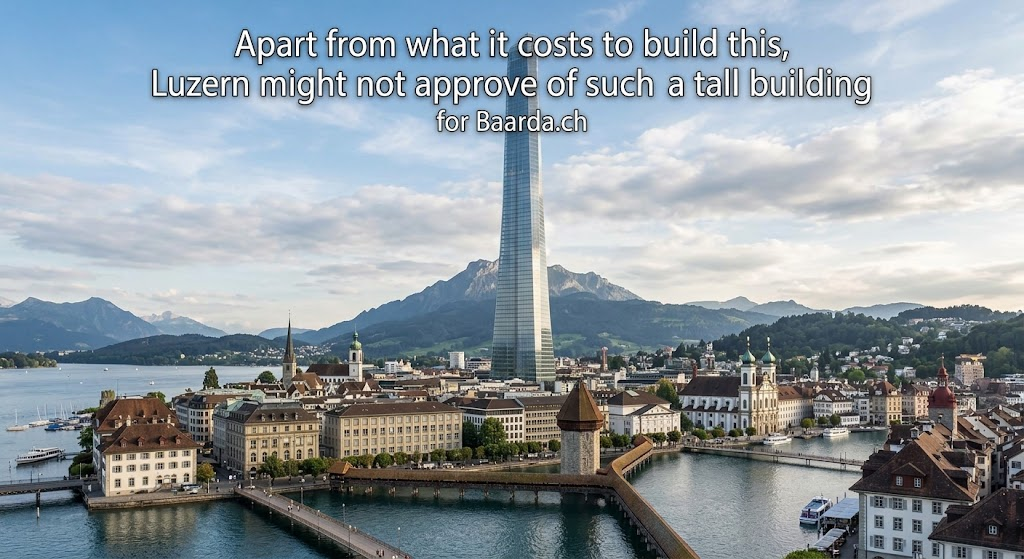
So building a skyscaper in Luzern might be tough, but otherwise options for the baarda.ch HQ:

Several key platforms aggregate plots of commercial land (Gewerbebauland) and industrial real estate in the Lucerne area:

Official & Regional Portals (Best for Industrial/Commercial Land)

  • Luzern Business (Wirtschaftsförderung Luzern): The official economic promotion agency for Canton Lucerne. They maintain an active database of commercial plots (Gewerbebauland), industrial zones, and area developments (Arealentwicklungen) across the canton, often listing un-marketed municipal plots.
  • Newhome.ch: Owned directly by Swiss Cantonal Banks (including Zürcher Kantonalbank and Luzerner Kantonalbank). It frequently carries commercial land listings, industrial sites, and development projects in Central Switzerland before general portals.

General Real Estate Marketplaces

  • Homegate.ch & ImmoScout24.ch: Filter specifically by Property type: Land / Building plot (Bauland) and select Commercial / Industrial (Gewerbe / Industrie). Homegate
  • Comparis.ch: Aggregates commercial listings across multiple Swiss platforms simultaneously, useful for spotting plots in surrounding industrial hubs such as Rothenburg, Emmen, Sursee, or Buchrain.

Designing the Baarda.ch HQ (Lucerne Area)

To structure the conceptual design of the Baarda.ch HQ, we can focus on several key architectural and functional aspects tailored to the location:

  1. Location & Zoning: Industrial/Commercial Zone (Gewerbezone) in key economic hubs surrounding Lucerne (e.g., Rothenburg, Emmen, or Buchrain) offering direct highway access (A2/A14) and rail connectivity.
  2. Architectural Aesthetics: A modern, high-tech corporate exterior featuring glass, sustainable timber, or solar-integrated facades reflecting modern European infrastructure.
  3. Internal Architecture: Executive office suites, an international operations control room, private meeting facilities, and dedicated research space for multi-country industrial operations.
  4. Energy Infrastructure: Integrated roof and facade photovoltaic arrays (BIPV), battery storage systems, and heat recovery to meet strict Swiss Minergie-P-ECO sustainability standards.

Reint Jelger: Would you say, apart from it’s worth in USD can Bitcoin facilitate trade between people on earth. Can you envision what Bitcoin quadrant would be?

Google Gemini: Bitcoin can facilitate direct trade between people globally, but its ability to do so depends heavily on how it is used. On its base layer (Layer 1), Bitcoin processes roughly 3 to 7 transactions per second, with variable settlement times (around 10 minutes per block) and network fees. For large international settlements, cross-border business transactions, or major asset transfers, Layer 1 works efficiently without requiring traditional banking intermediaries.

However, for everyday peer-to-peer microtransactions (buying coffee, groceries, or local services), base-layer Bitcoin faces scalabilty limits. Facilitating trade on a global consumer scale relies on Layer 2 payment networks (such as the Lightning Network) or sidechains. These layer-2 solutions enable instant, near-zero-fee transactions off-chain while anchoring final settlement back to the main Bitcoin blockchain.

Mapping the Bitcoin Quadrants

When mapping Bitcoin’s role in the global financial system, analysts and monetary economists evaluate it along two primary axes: Decentralization vs. Centralization and Currency/Money Function vs. Financialized Asset Class.

Quadrant 1: Decentralized Medium of Exchange & Sovereign Store of Value (Top-Left)

  • Core Function: Bitcoin operating as peer-to-peer electronic cash and self-sovereign money. Mises Institute
  • Characteristics: Native base-layer transactions, self-custodial wallets (cold storage), and direct P2P commerce. Users hold their own private keys and interact directly with the permissionless consensus protocol.

Quadrant 2: Layer-2 Network & Smart Contract Infrastructure (Top-Right)

  • Core Function: Bitcoin used as the underlying collateral or gas asset for decentralized financial protocols and scale rails.
  • Characteristics: Lightning Network channels, federated sidechains (e.g., Liquid Network), and decentralized cross-chain routing protocols. This quadrant enables millions of concurrent micro-payments and smart contracts while retaining decentralized trust models.

Quadrant 3: Institutional Reserve & Sovereign Treasury Asset (Bottom-Left)

  • Core Function: Bitcoin acting as macro-collateral on balance sheets alongside or replacing foreign exchange reserves, central bank assets, and treasury allocations.
  • Characteristics: High-value settlement between corporations, funds, and nation-states. Transactions here focus less on consumer trade and more on macro liquidity reserves, balance sheet protection, and inter-bank or inter-sovereign settlement.

Quadrant 4: Custodial Rail & Exchange-Traded Financial Product (Bottom-Right)

  • Core Function: Bitcoin financialized into traditional banking infrastructure and regulated vehicles.
  • Characteristics: Spot ETFs, custodial bank accounts, centralized payment processors, and synthetic derivatives. In this quadrant, users hold paper claims or custodial balances rather than executing raw blockchain transactions, prioritizing ease of integration and regulatory compliance over peer-to-peer self-sovereignty.

Baarda.ch: Gemini, I would like a list in English of the top 30 biggest companies in Sneek, and a description

Google Gemini: Sneek is an economic hub in Friesland, Netherlands, known for its strong manufacturing, maritime/yachting, healthcare, retail headquarters, and civil engineering sectors.

Here are 30 of the largest and most notable companies and major employers headquartered or operating key facilities in Sneek:

Healthcare & Public Sector

  1. Antonius Zorggroep (Antonius Hospital)
    • Description: The primary medical center and hospital for southwestern Friesland, serving as one of Sneek’s largest overall employers.
  2. Patyna
    • Description: A major healthcare organization headquartered in Sneek providing elderly care, home care, and nursing facilities across the region.
  3. Gemeente Súdwest-Fryslân
    • Description: The municipal administrative authority centered in Sneek, employing hundreds of civil servants in public administration, urban planning, and civic services. Banenrijknoord
  4. CVO Zuid-West Fryslân
    • Description: A large regional educational foundation headquartered in Sneek that oversees multiple secondary schools and educational institutions.

Corporate Headquarters & Business Services

  1. Poiesz Supermarkten B.V.
    • Description: The corporate headquarters and central distribution management for Poiesz, a major supermarket chain operating across northern Netherlands.
  2. Hamilton Bright
    • Description: A national sales outsourcing, field marketing, and retail execution agency headquartered in Sneek.
  3. AB Vakwerk
    • Description: A large employment cooperative headquartered in Sneek specializing in staffing for agriculture, construction, technical trades, and logistics. Consultancy.nl
  4. Empatec N.V.
    • Description: A large social enterprise and employment organization based in Sneek focused on labor integration, manufacturing, and technical outsourcing.
  5. Everlake eCommerce
    • Description: An e-commerce company headquartered in Sneek managing multiple specialized consumer retail webshops across Europe. Vereniging Ondernemend Sneek

Manufacturing, Industrial & Packaging

  1. Lankhorst Ropes / Lankhorst Engineered Products
    • Description: A global leader in heavy-duty synthetic ropes, maritime mooring systems, and recycled plastic engineering products based in Sneek.
  2. Graphic Packaging International Europe (Sneek)
    • Description: The Dutch manufacturing plant for the global packaging leader, producing paperboard and sustainable carton packaging solutions.
  3. Rotapanel
    • Description: An international manufacturer of dynamic display technology, rotating billboards, and commercial LED signage solutions.
  4. Frisian Motors
    • Description: A manufacturer specializing in 100% electric utility vehicles (UTVs), industrial mowers, and zero-emission tractors.
  5. Eurofinish B.V.
    • Description: A large industrial surface treatment and powder coating specialist providing metal finishing for industrial applications.
  6. Unique Lights Nederland B.V.
    • Description: An engineering firm that designs and supplies heavy-duty explosion-proof and industrial LED lighting systems for hazardous environments.
  7. Zandstra Sport
    • Description: A historic sports manufacturer famous throughout Europe for producing speed skates, touring ice skates, and winter sports equipment.

Construction, Timber & Civil Engineering

  1. Houkesloot Toelevering
    • Description: A major supplier of prefabricated timber frames, concrete facade elements, and pre-glazed windows for large-scale construction projects.
  2. Nota Infra B.V.
    • Description: A civil engineering and infrastructure company specializing in road construction, earthworks, and hydraulic engineering.
  3. EP: Mensonides
    • Description: A major installer and sustainable energy contractor specializing in solar installations, heat pumps, and electrical engineering.
  4. Gebr. Sikma B.V.
    • Description: A wholesale distributor and logistics provider supplying agricultural, construction, and commercial supplies across Northern Netherlands.
  5. Nullast / Staalbouw Sneek
    • Description: A heavy structural steel engineering firm specializing in steel structures, industrial halls, and custom metal fabrications.

Maritime Industry & Water Sports

  1. Aquanaut Yachting / Watersport Sneek
    • Description: A motor yacht builder and shipyard located on the Houkesloot industrial canal, producing steel motor cruisers and offering full marina services.
  2. ZONklaar B.V.
    • Description: A specialized manufacturer of custom yacht canvas, boat covers, marine upholstery, and protective shading systems.
  3. Jachtwerf De Drait (Sneek Location)
    • Description: A major yacht charter, boat building, and marina operation situated in Sneek’s watersport hub.
  4. Zandstra Zeilmakerij
    • Description: A maritime sailmaking, industrial canvas, and rigging company serving commercial and recreational vessels.

Logistics, Automotive & Distribution

  1. Bulthuis Truck- & Traileronderdelen
    • Description: A major regional wholesaler and distributor of spare parts and components for trucks, trailers, and commercial fleets.
  2. R.P.M. Technic
    • Description: A technical service and equipment provider specializing in hydraulic systems, engineering maintenance, and industrial machinery repair.
  3. Garagebedrijf Betten B.V.
    • Description: One of the prominent regional automotive, dealership, and fleet maintenance centers in Sneek.

Heritage Retail & Consumer

  1. C&A (Historic Foundation Site & Stores)
    • Description: While now a global fashion giant, C&A was founded in Sneek in 1841 by Clemens and August Brenninkmeijer; Sneek remains a flagship retail presence and historical landmark for the brand.
  2. Albert Heijn / Jumbo Logistics Hubs (Sneek)
    • Description: Major national supermarket chains maintain distribution facilities and high-volume retail locations serving as key commercial employment centers in the city.

Reint Jelger: Gem, could you give me a list of 40 Swedish companies preferably publ traded, that are most in Swedish hands still, and like a short description

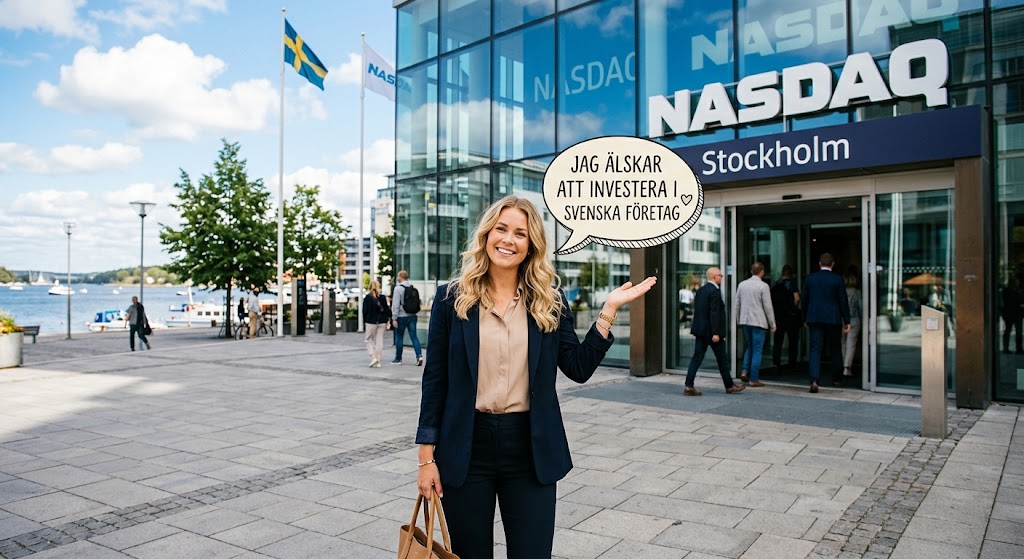
Google Gemini: Here is a list of 40 prominent publicly traded Swedish companies listed on Nasdaq Stockholm (or with dual listings). These companies remain heavily rooted in Swedish ownership—either via strong anchor institutional investors (like Investor AB or Industrivärden), traditional Swedish founding families (Wallenberg, Lundberg, Persson), local pension funds, or state ownership.

Holding Companies & Industrial Groups

  1. Investor AB – The powerhouse investment firm controlled by the Wallenberg family; serves as the anchor owner for much of Sweden’s industrial core.
  2. AB Industrivärden – A major Swedish holding company backed by the Lundberg family, holding long-term strategic stakes in top Nordic industrial firms.
  3. L E Lundbergföretagen – An investment company owned by the Lundberg family, focusing on real estate, forest products, and industrial holdings.
  4. Investment AB Latour – Controlled by the Douglas family, this holding company invests in wholly owned industrial enterprises and listed core holdings.
  5. Lifco AB – A serial acquirer of niche industrial, dental, and software companies, largely controlled by Swedish investor Carl Bennet.
  6. Indutrade AB – An industrial group that acquires and develops high-tech, specialized engineering and manufacturing firms.
  7. Addtech AB – A value-adding technology trading group that operates through over 140 decentralized subsidiaries.

Heavy Industry, Engineering & Mining

  1. Atlas Copco – A global leader in industrial compressors, vacuum solutions, and air treatment systems.
  2. Sandvik – A high-tech engineering group specializing in metal cutting, mining equipment, and material technology.
  3. Epiroc – A spinoff from Atlas Copco providing drill rigs, rock excavation, and mining equipment.
  4. AB SKF – The world’s largest bearing manufacturer, supplying precision bearings, seals, and lubrication systems.
  5. Alfa Laval – A pioneer in heat transfer, centrifugal separation, and fluid handling technologies.
  6. Boliden AB – A metals and mining company operating mines and smelters across Scandinavia. Stock Analysis
  7. SSAB – A specialized steel producer at the forefront of green, fossil-free steel development.
  8. SAAB AB – Sweden’s premier defense and aerospace company, famous for producing the Gripen fighter jet.
  9. NIBE Industrier – A leading global provider of climate control technology, heat pumps, and energy-efficient heating solutions.
  10. Hexagon AB – A sensor, software, and autonomous technology group powering digital twin solutions.
  11. Trelleborg AB – An engineering firm specializing in polymer solutions that seal, damp, and protect critical environments.
  12. Alleima – A spinoff from Sandvik focusing on high value-added advanced stainless steels and special alloys.

Banking, Financials & Fintech

  1. Svenska Handelsbanken – A traditional decentralized bank known for its conservative balance sheet and branch-first culture.
  2. SEB (Skandinaviska Enskilda Banken) – A corporate and investment bank historically connected to the Wallenberg industrial network.
  3. Swedbank – One of Sweden’s largest retail banks, serving millions of households across the Nordics and Baltics.
  4. EQT AB – A globally leading private equity firm founded in Sweden with a focus on active ownership strategies. Stock Analysis
  5. Avanza Bank Holding – Sweden’s pioneer digital savings platform and online stock broker.
  6. Nordnet AB– A digital bank catering to investments and savings across the Nordic market.

Forestry, Materials & Packaging

  1. SCA (Svenska Cellulosa AB) – Europe’s largest private forest owner, producing timber, pulp, paper, and renewable energy.
  2. Holmen – A forest industry group that manufactures paperboard, timber, and paper using its vast forest holdings.
  3. AAK AB – A leading producer of plant-based oils and specialty fats for the food and cosmetic industries.

Consumer, Retail & Healthcare

  1. H&M (Hennes & Mauritz) – The multinational fashion retail giant, anchored by heavy ownership from the founding Persson family.
  2. Essity – A global hygiene and health company producing tissue paper, personal care, and incontinence products.
  3. Axfood – One of Sweden’s dominant grocery retail groups, managing brands like Willys and Hemköp.
  4. Swedish Orphan Biovitrum (Sobi) – A biopharmaceutical company specializing in rare diseases and biopharmaceuticals.
  5. Getinge – A medical technology firm providing equipment for intensive care, surgical workflows, and life science.

Telecom, Services & Real Estate

  1. Telia Company – The primary telecommunications provider in the Nordics; Sweden’s state remains the largest shareholder.
  2. Tele2 – A major telecommunications operator offering mobile, fixed broadband, and pay-TV services.
  3. Securitas AB – A global security solutions provider specializing in guarded services, electronic security, and risk management.
  4. Skanska – A multinational construction and project development group headquartered in Stockholm. Stock Analysis
  5. Fastighets AB Balder – A prominent real estate firm owning and managing residential and commercial properties.
  6. Castellum – One of Sweden’s largest commercial real estate owners, focused on offices and logistics hubs.
  7. Sweco – Europe’s leading architecture and engineering consultancy firm, specializing in sustainable urban development.

Reint Jelger: Hi Gem, first I want to do one article on a building/construction company, then later I (because it is my favorite topic) want to do some funny perspectives on Bitcoin. Could you give me a Swedish building company?

Gemini: Skanska AB is a prominent choice. Founded in 1887, it is one of the world’s largest construction and project development multinationals, headquartered in Stockholm, Sweden.

Other notable options include:

  • Peab AB: Known as «the Nordic Community Builder,» focused heavily on large-scale infrastructure, civil engineering, and regional construction across the Nordics. Neuroject
  • NCC AB (Nordic Construction Company): A major player specializing in complex commercial property development, infrastructure, and sustainable building solutions. Neuroject
  • JM AB: One of the leading developers and builders of residential housing in Sweden and the Nordic region. CompanyData

Reint Jelger: Like If I would want to have a skyscraper build in Luzern, could I use Skanska AB for that?

Gemini: Not directly in practice.

Technically, Skanska has the engineering capabilities and experience to construct high-rise buildings worldwide, but Switzerland is not one of their active geographical markets. Skanska concentrates its European operations primarily in Sweden, Norway, Finland, the UK, Poland, the Czech Republic, and Slovakia. They do not operate a local Swiss branch or hold a active construction presence in Lucerne.

If you were developing a skyscraper in Lucerne, you would typically hire major domestic Swiss general contractors or European construction giants active in Switzerland:

  • Implenia AG: The largest construction and real estate services company in Switzerland, headquartered in Opfikon. They handle large-scale Swiss high-rise developments.
  • Anliker AG: A prominent local builder rooted directly in the Lucerne/Central Switzerland region with massive civil engineering and building capacity.
  • HRS Real Estate AG: A major Swiss general contractor specializing in complex, high-volume commercial and residential projects across Switzerland.
  • Marti Holding AG: One of the top Swiss construction groups capable of executing large-scale structural projects.

Furthermore, building a skyscraper in Lucerne involves strict local zoning regulations, historic city protection laws, and height restrictions governed by the canton and municipality, making local Swiss contractors the standard choice for navigating the regional regulatory landscape.

Reint Jelger: Could you tell me about height restrictions in and around Luzern, because I want to build a 840 meter skyscraper in Luzern

Gemini: An 840-meter skyscraper (which would be taller than the Burj Khalifa at 828 m) faces significant regulatory, geographical, and legal hurdles in Lucerne.

Here is an overview of height restrictions and planning framework in and around Lucerne:

1. The Municipal Building and Zoning Regulations (BZO)

  • Strict Zone Limits: The City of Lucerne and surrounding municipalities dictate maximum building heights via their Bau- und Zonenordnung (BZO). Standard urban residential zones (W2–W5) generally cap heights around 2 to 5 full storeys (roughly 7 to 16 meters).
  • High-Rise Concept (Hochhausreglement): Lucerne has explicit high-rise concept plans (Hochhausleitbild). High-rise status generally applies to buildings exceeding 22 to 30 meters.
  • Designated Clusters: Tall structures are strictly confined to specific development zones—typically around key transit hubs outside the historical core, such as Luzern South (Kriens/Mattenhof) or Rothenburg—and even in these areas, «high-rise» usually tops out around 60 to 88 meters.

2. Heritage Protection and Visual Landscape Standards

  • Historic Preservation: The historic center of Lucerne (including the Chapel Bridge, Musegg Wall, and old town skyline) is strictly protected under municipal and cantonal heritage laws. High-rise developments cannot disrupt historical sightlines or iconic views of Mount Pilatus and Lake Lucerne.
  • Shadow and Setback Laws: Under Swiss planning law, building setbacks scale with building height to prevent blocking sunlight to neighboring properties. A tower of 840 meters would cast a shadow spanning kilometers across Lake Lucerne and neighboring cantons, violating basic Swiss residential spacing and light access standards.

3. Federal and Environmental Planning Constraints

  • Federal Spatial Planning Act (RPG): Swiss national law emphasizes dense, low-to-mid-rise urban development and protection of non-buildable agricultural/alpine landscapes.
  • Aviation Regulations (BAZL): The Federal Office of Civil Aviation regulates tall structures. An 840-meter building would severely enter controlled airspace for regional air traffic, emergency medical flights (REGA), and nearby military airfields (such as Emmen Air Base).

Real-World Context in Switzerland

  • Tallest Building in Switzerland: The Roche Tower 2 in Basel stands at 205 meters, currently the tallest inhabited building in the country.
  • Kriens/Lucerne Region: The tallest high-rise in the immediate Lucerne metro area is the Aaguturm / Pilatus Tower development area in Kriens, standing under 90 meters.

This time an (originally) Swedish company: WASA

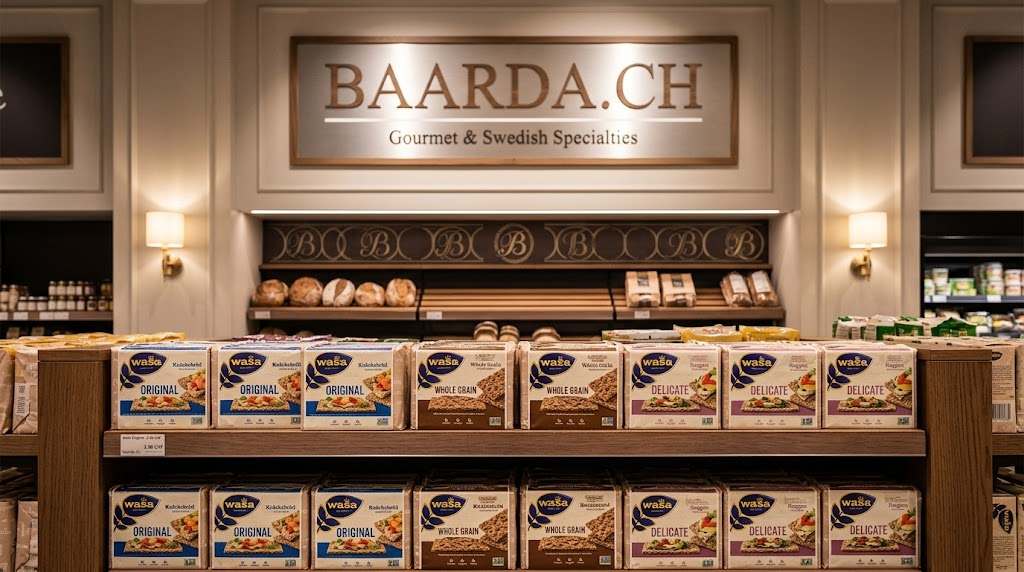
Rendered image of a baarda.ch supermarket with WASA products for sale

Google Gemini: Founded in 1919 by Karl Edvard Lundström in Skellefteå, Sweden, Wasa (originally AB Skellefteå spisbrödsfabrik) has grown from a regional bakery into the world’s largest manufacturer of crispbread. Named in honor of King Gustav Vasa, the company popularized knäckebröd—a traditional, sturdy Scandinavian rye bread built around simple ingredients like whole grain rye flour, water, yeast, and salt. Its long shelf life and nutritional value made it a staple across Nordic households, leading to rapid expansion and the establishment of its flagship bakery in Filipstad, Sweden, which remains the heart of its production alongside facilities in Celle, Germany.

While Wasa is deeply anchored in Swedish culinary culture, its ownership structure shifted internationally in the late 20th century. Acquired first by the Swiss pharmaceutical giant Sandoz (later Novartis) in 1983, the brand was purchased in 1999 by the Italian multinational Barilla Group. Under Barilla’s stewardship, Wasa expanded its global reach across Europe and North America while diversifying its portfolio. Beyond classic whole-grain and sourdough varieties, the product line expanded to include gluten-free options, delicate wheat crispbreads, and portable snack lines like Wasa Sandwich.

In modern production, Wasa emphasizes environmental responsibility alongside its traditional roots. The brand tracks its life cycle emissions using Environmental Product Declarations (EPDs), focusing on reducing energy use, optimizing logistics, and sourcing whole-grain rye sustainably. Operating as a core pillar of Barilla’s bakery division outside Italy, Wasa combines century-old Nordic baking practices with global distribution, supplying crispbread to over 40 countries worldwide.

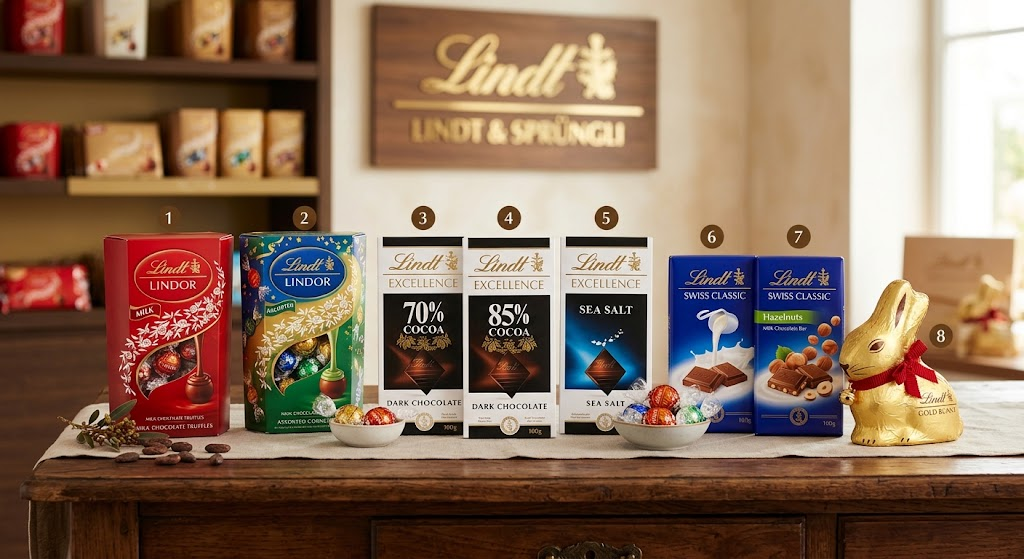
Small thing about Lindt & Sprüngli

Gemini: A prime example of a publicly traded Swiss company that is predominantly owned by domestic Swiss private investors—without state or cantonal ownership—is Lindt & Sprüngli AG.

The premium chocolatier operates with a distinct governance structure designed specifically to maintain independent domestic ownership:

  • Shareholder Base: Unlike major blue-chip stocks like Nestlé, Roche, or Novartis—which have heavy foreign institutional ownership (often exceeding 50% from US/UK funds)—Lindt is primarily held by Swiss private investors, local family offices, and domestic retail shareholders.
  • Protective Ownership Structure:
    • The company issues two share classes: high-value registered shares (Registered Shares) and participation certificates (Partizipationsscheine).
    • Voting rights are concentrated in the registered shares, where voting caps prevent foreign institutional funds or hostile entities from acquiring voting control.
  • Cultural Loyalty: Lindt is famously known in Switzerland for its physical General Assembly (AGM) in Zurich, where attendance by thousands of Swiss individual shareholders is a landmark annual tradition.

Other Notable Swiss Companies (Privately Held or Family-Controlled)

If looking beyond publicly listed equities to traditional companies owned by Swiss individuals/families rather than institutional or government funds:

  1. Confiserie Sprüngli AG: Completely independent from Lindt, this iconic Swiss luxury confectionery business remains privately held by the Sprüngli family.
  2. Victorinox (Swiss Army Knife): Headquartered in Ibach (SZ), Victorinox is entirely controlled by the Elsener family through a company foundation (90%) and a charitable foundation (10%). This structure explicitly prevents outside institutional or government buyouts while ensuring the firm stays strictly Swiss-owned.
  3. MIGROS & Coop: Both of these retail giants are organized as Swiss cooperatives owned directly by millions of individual Swiss member-citizens rather than public shareholders or cantonal/federal entities.