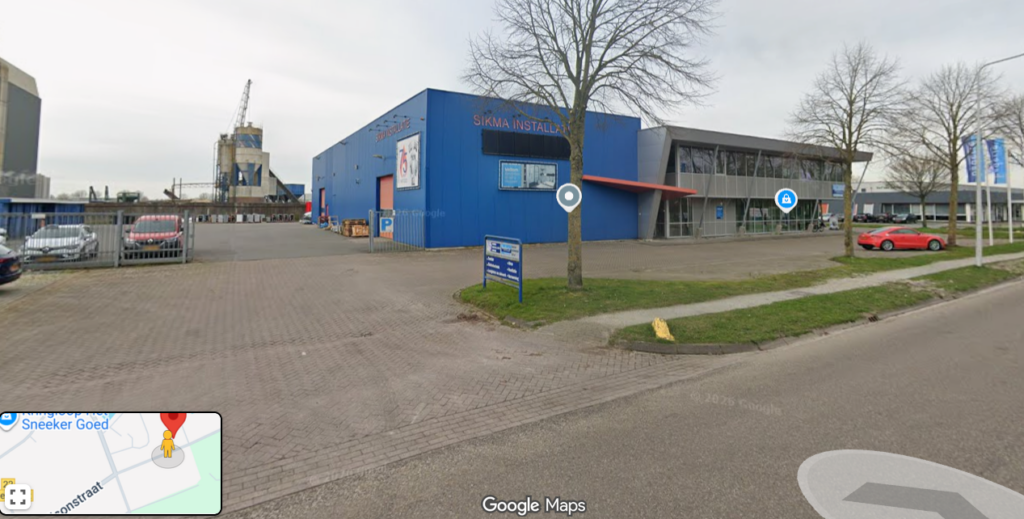
Sikma Installatie – Edisonstraat 15, Sneek

Google Gemini: Gebr. Sikma B.V. (widely known as Sikma Installatie) is a prominent technical installation firm based in Sneek, Netherlands. Serving both residential and commercial clients across Súdwest-Fryslân and the broader Friesland region, the company operates as a full-service technical installation provider (totaalinstallateur). Its capabilities span central heating, electrical systems, sanitary equipment, heat pumps, ventilation, and traditional roofing.

The history of the Sikma family business traces back over a century to 1920, when the grandfather of the family established an initial plumbing workshop in Sneek. Over successive generations, the enterprise expanded from traditional lead and zinc work into a modern, multi-disciplinary engineering contractor. The company formalised its modern operational setup in the post-war era around 1947 and continued to grow as a trusted household name in local installation technology.

In terms of geographical footprint, Sikma Installatie is anchored at Edisonstraat 15 in Sneek. Located within one of the city’s key commercial and industrial districts, the modern facility acts as the central hub for technical design, work preparation, field operations, and warehousing. The location also houses an expansive showroom operated under the Baderie Sikma franchise, giving customers direct access to complete bathroom design, sanitary products, and tile collections.

The service portfolio of Sikma Installatie covers mechanical and electrical infrastructure for both new developments and renovation projects. On the mechanical side, the company handles central heating boilers, ventilation systems, water distribution, and drainage. On the electrical side, engineers execute complete low-voltage wiring, distribution panels, lighting setups, data cabling, and smart home automation systems for private residences and office premises alike.

As the energy transition has accelerated, Sikma Installatie has positioned sustainable climate technology at the core of its business strategy. The team designs and installs air-source and ground-source heat pumps, solar PV panel systems, hybrid heating units, and mechanical heat-recovery ventilation (WTW). This enables local property owners and housing corporations to decarbonize their structures and comply with evolving European energy standards.
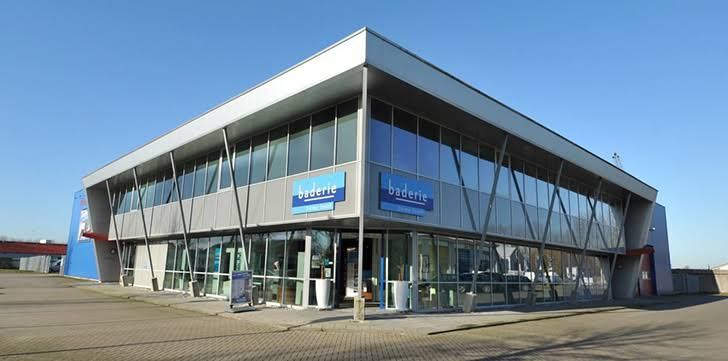
Sikma Installatie facility on Edisonstraat in Sneek. Bron: Sikma Sneek

Beyond indoor climate and electrical work, the company retains specialized expertise in traditional craftsmanship, notably exterior roofing, zinc, and copper work. This specialized branch handles gutters, standing-seam zinc facades, and roof cladding for residential builds, historical renovations, and commercial facilities. Combining modern HVAC tech with classical metalworking allows Sikma to execute complete building envelope solutions under one roof.

From an organizational and workforce perspective, Sikma operates with a dedicated team of certified installation technicians, project engineers, calculators, and customer support personnel. Led for many years as a family enterprise by Alex Sikma, the team maintains a strong regional identity. Field engineers travel across Friesland in branded service vehicles to deliver preventative maintenance, emergency repairs, and scheduled installations.

A major strategic milestone occurred on January 1, 2024, when Sikma Installatie was acquired by Koninklijke Damstra Installatiegroep. Damstra, a royal-warranted technical installation conglomerate originating from Driezum, integrated Sikma into its broader regional network to reinforce its market position in Southwest Friesland. Under this transaction, the brand name «Sikma Installatie» and its operational headquarters in Sneek were preserved, with Alex Sikma continuing as branch director (vestigingsleider).

Regarding financial performance and valuation, specific stand-alone revenue and company worth figures for Gebr. Sikma B.V. are kept private under Dutch private company filing exemptions. However, as part of the broader Koninklijke Damstra Installatiegroep—which employs over 200 personnel and generates tens of millions of Euros in annual turnover across northern Netherlands—Sikma’s economic foundation is backed by significant group capital, consolidated purchasing power, and shared technical resources.

Today, Sikma Installatie operates as a modernized regional branch within a larger technical group, combining century-old local craftsmanship with contemporary group infrastructure. By servicing private homeowners, commercial entities, local institutions, and agricultural businesses, the company remains a cornerstone of Sneek’s industrial and technical service ecosystem.
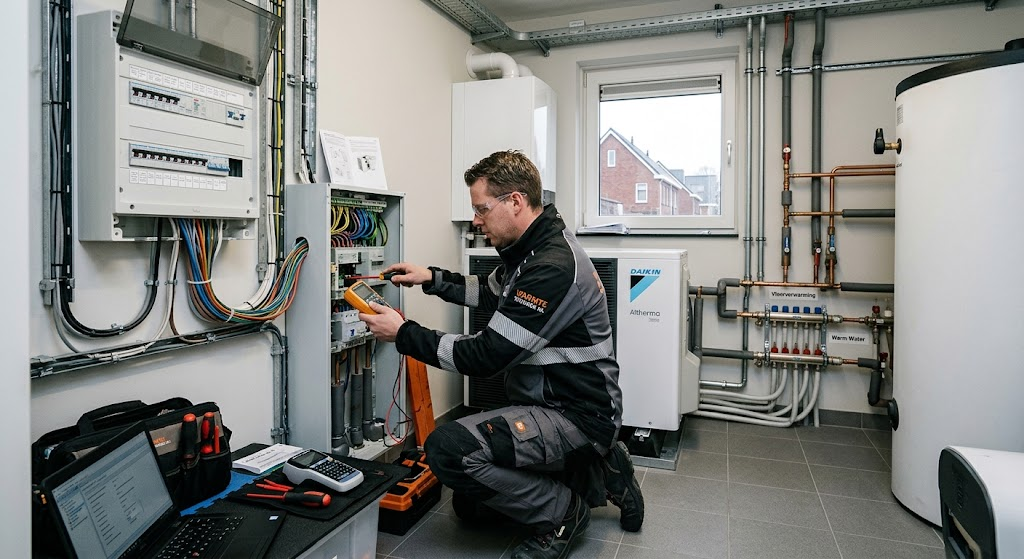
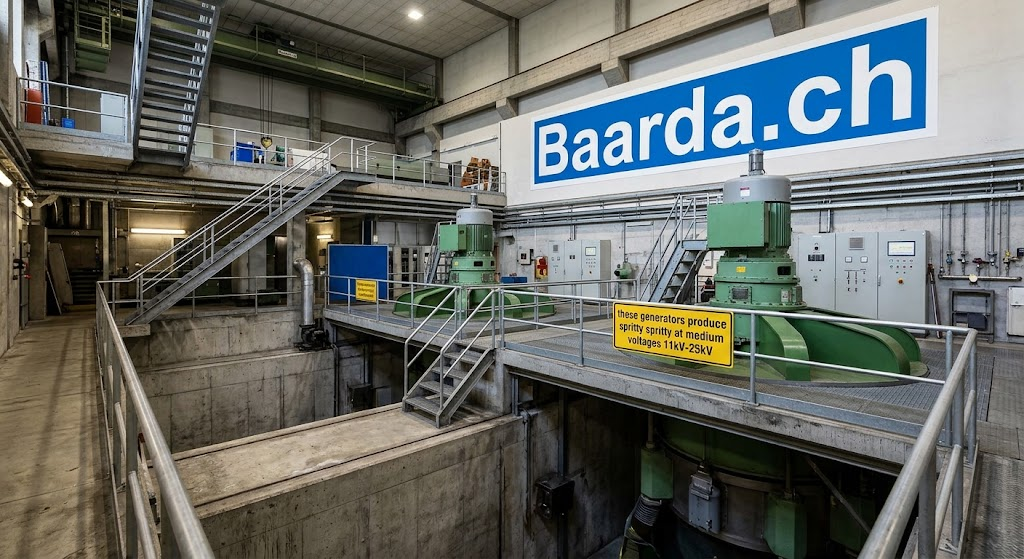
ABB – Asea Brown Boveri, Switzerland

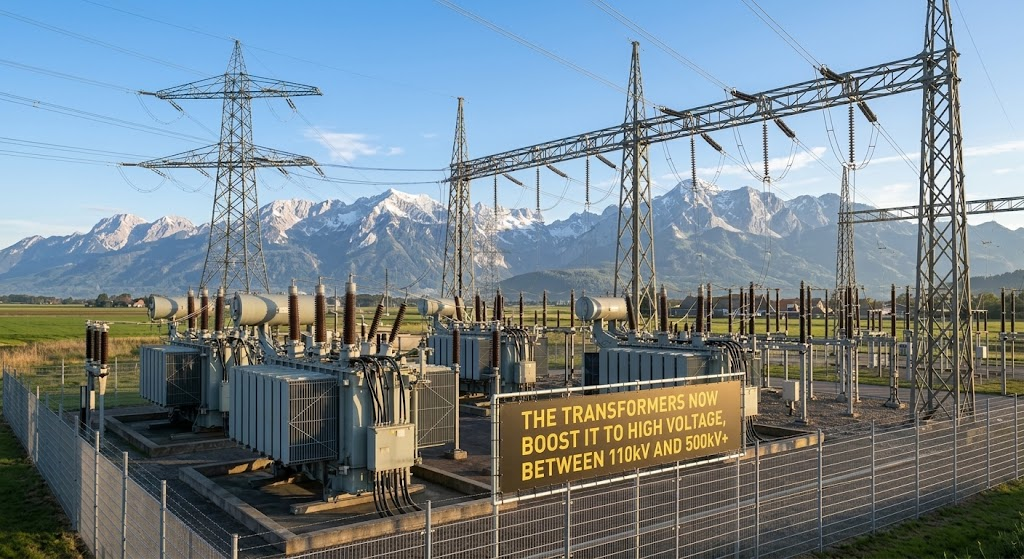
Reint Jelger: Now with those two images, like the generators, and the transformers, does ABB come in here already?

Gemini: Yes, absolutely! ABB is heavily involved in both of these stages of the power network.

  1. At the Hydro Generator Stage: ABB provides the excitation systems, medium-voltage switchgear, and digital control and automation platforms (like ABB Ability™) that monitor and protect the turbine generators as they produce those medium voltages (11 kV–25 kV).
  2. At the Substation (Transformer) Stage: ABB is a global leader in manufacturing massive power and distribution transformers, high-voltage switchgear (including eco-efficient SF6-free gas-insulated gear), and substation automation systems that safely step the voltage up to 110 kV–500 kV+ for long-distance transmission.

Reint Jelger: ABB provides the excitation systems (what are those)

Gemini: An excitation system is a vital control and power supply unit attached to a synchronous generator (such as the ones in hydro plants or large power stations).

Its primary job is to supply direct current (DC) to the rotor windings of the generator to create a stable magnetic field. Without this magnetic field, the spinning turbine cannot generate electricity.

Here is a closer look at what they do and why they are essential:

1. Controlling Voltage and Power Generation

When water spins the turbine, the rotor spins inside the stator. By adjusting the amount of DC current sent into the rotor coils via the excitation system, operators can precisely control the strength of the magnetic field. This directly regulates the output voltage of the generator and ensures it matches the grid’s requirements.

2. Maintaining Grid Stability

During sudden changes in electrical demand or faults on the power grid, voltages can fluctuate wildly. Advanced excitation systems (like those built by ABB) can inject a massive burst of current into the rotor within milliseconds—known as forced excitation—to keep the generator synchronized and prevent the power system from collapsing or tripping offline.

3. Types of Excitation Systems

  • Brushless Excitation: Uses an auxiliary alternating current (AC) exciter whose output is converted to DC using rotating diodes mounted directly on the shaft, eliminating the need for carbon brushes and reducing maintenance.
  • Static Excitation: Draws power from the generator’s own output (or the grid), steps it down through a transformer, converts it to DC via high-powered thyristor (semiconductor) bridges, and delivers it to the rotor via traditional carbon brushes and slip rings.

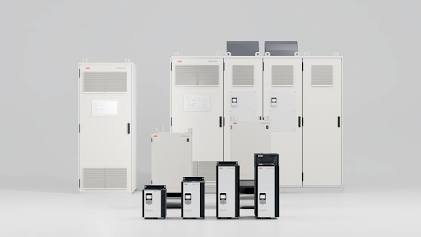
In real life, an industrial excitation system like ABB’s UNITROL series does not look like a single mechanical motor—instead, it looks like a row of sleek, heavy-duty electrical control cabinets or panels installed inside a power plant’s control room.

ABB UNITROL Digital Excitation System. Bron: ABB

These cabinets house the high-power semiconductor bridges (thyristors), microprocessors, and digital control hardware that continuously regulate the DC current flowing into the generator’s rotor.

Inside a power plant, these panels sit near the turbine generators, constantly monitoring voltage parameters and reacting in milliseconds to keep the power grid stable.

Reint Jelger: Can you make a list of products of ABB and tell me with each category how much % of the revenue that is for ABB

Gemini: ABB structures its global business operations into three core Business Areas (segments).

The breakdown of revenue contribution by business segment, along with the key product lines offered in each category, is presented below:

1. Electrification Business Area

  • Revenue Contribution: ~51.5% of total ABB revenue
  • Overview: Covers the entire electrical value chain from substations down to the end consumer point, delivering products and solutions for safe, smart, and sustainable electrification.

Key Products & Solutions:

  • Smart Switchgear & Distribution: Air-insulated (AIS) and eco-efficient SF6-free gas-insulated (GIS) switchgear, medium- and low-voltage switchboards, and compact substations.
  • Circuit Protection & Control: Circuit breakers, miniature circuit breakers (MCBs), contactors, fuses, residual current devices (RCDs), and surge protection.
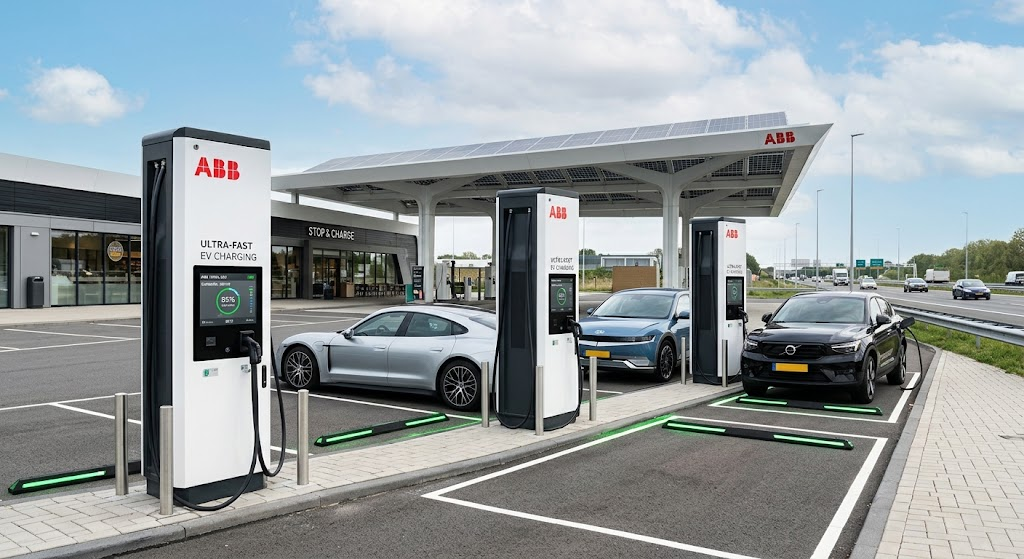
  • E-Mobility Infrastructure: DC fast chargers, ultra-fast EV charging stations, and fleet charging infrastructure.
  • Smart Building & Home Automation: Digital building controls, KNX systems, energy management software, wiring accessories, and smart meters.
  • Modular Substation Components: Enclosures, busway systems, and distribution transformers.

2. Motion Business Area

  • Revenue Contribution: ~24.5% of total ABB revenue
  • Overview: Provides energy-efficient motors, generators, and variable-speed drives that optimize mechanical operations across heavy industries, infrastructure, and transport.

Key Products & Solutions:

  • Electric Motors: Low-voltage, medium-voltage, and high-voltage IEC and NEMA induction motors, permanent magnet motors, and synchronous reluctance motors (SynRM).
  • Variable Speed / Frequency Drives (VFDs): Low- and medium-voltage AC drives, micro drives, HVAC drives, and industrial multidrives for precise motor speed control and energy efficiency.
  • Generators: Synchronous generators for wind turbines, hydro plants, marine vessels, diesel/gas engine generator sets, and industrial backup power.
  • Drive & Motor Services: Predictive maintenance sensors (e.g., ABB Ability™ Smart Sensors), mechanical power transmission products (bearings, couplings, gearings).

3. Automation Business Area

  • Revenue Contribution: ~24.0% of total ABB revenue
  • Overview: Focuses on optimizing, automating, and digitizing industrial processes across continuous process industries, hybrid manufacturing, marine, and energy networks.

Key Products & Solutions:

  • Distributed Control Systems (DCS): Large-scale plant control platforms (e.g., ABB Ability™ System 800xA, Symphony Plus) for process automation.
  • Excitation & Protection Systems: UNITROL digital excitation systems for synchronous generators, static excitation units, and turbine control platforms.
  • Measurement & Analytics: Flowmeters, continuous gas analyzers, pressure transducers, temperature transmitters, level sensors, and water quality monitors.
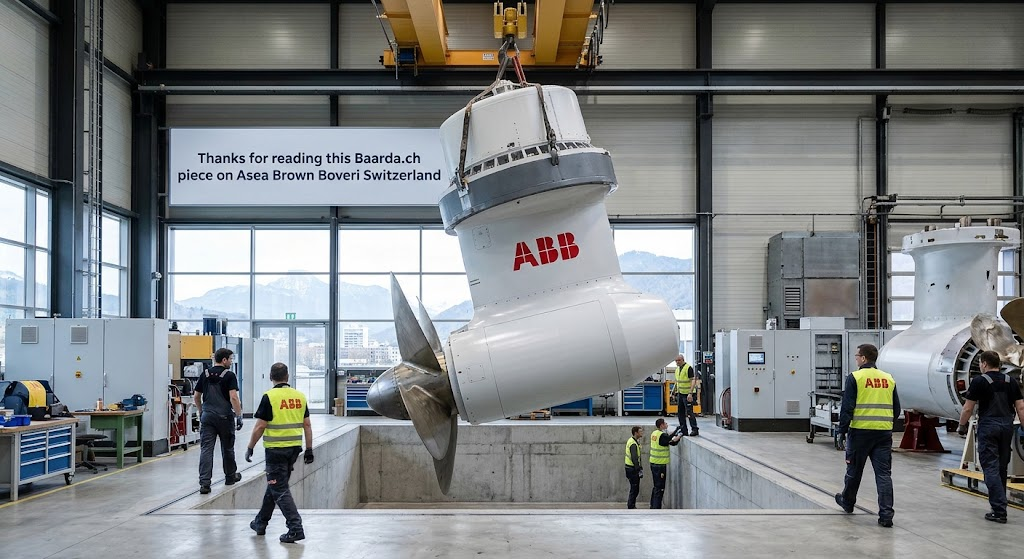
  • Marine & Ports Infrastructure: Azipod® electric propulsion systems, marine power distribution, shore-to-ship power connection systems, and crane automation.
  • Energy Transition & Software: Fleet management tools, supervisory control and data acquisition (SCADA) systems, and industrial AI/digital twin platforms (e.g., in partnership with NVIDIA).

Gemini: ABB operates as a dominant global pure-play leader at the intersection of energy transition, industrial automation, and digitalization. Following strategic divestitures like its Power Grids division to Hitachi and the full separation of Accelleron, ABB has streamlined its structure into high-margin core areas: Electrification, Motion, and Automation. Each segment maintains market-leading positions (typically ranked #1 or #2 globally), driven by strong secular tailwinds such as global grid modernization, data center expansion, industrial decarbonization, and the rapid growth of electric vehicle infrastructure.

From a financial execution standpoint, ABB operates under a high-return, capital-light business model underpinned by its decentralized «ABB Way» operational framework. The company consistently delivers Operational EBITA margins near 20%, supported by high operational leverage, effective price management, and strong cash flow conversion. Free cash flow generation routinely sits around $4 billion to $5 billion annually, allowing ABB to sustain disciplined share buybacks (including an active $2 billion program) alongside stable dividend payouts. A multi-billion-dollar order backlog—with heavy multi-year visibility—provides substantial revenue predictability through macro economic cycles.

Investors should evaluate key structural drivers and potential risk factors moving forward. On the upside, growth is anchored by accelerating demand for medium- and low-voltage electrification, SF6-free eco-efficient switchgear, and data center distribution systems. However, key watchpoints include potential cyclical headwinds in short-cycle industrial automation, raw material commodity cost pressures, foreign exchange fluctuations, and integration execution on bolt-on acquisitions (such as Rotork and specialized software platforms).

Current share price: CHF 67,78 – Dividend yield: 1,39%

Two things made by Kongsberg Gruppen ASA Norway

Gemini: Kongsberg Gruppen ASA sells missiles. Missile systems are one of the flagship business units of their defense division (Kongsberg Defence & Aerospace).

Kongsberg specializes in precision strike cruise missiles:

1. Naval Strike Missile (NSM)

  • Type: Long-range, precision anti-ship and land-attack cruise missile.
  • Deployment: Fired from naval vessels, coastal defense trucks, or ground launchers.
  • Features: Passive infrared seeker, high-subsonic speed, and stealth/sea-skimming capabilities designed to bypass air defense systems.
  • Estimated Unit Cost:~$2.2 million to $2.5 million per missile.
    • Note: Overall procurement deals (which include launchers, support equipment, integration, and training packages) typically work out to higher effective unit costs.

2. Joint Strike Missile (JSM)

  • Type: Air-launched long-range precision strike missile.
  • Deployment: Designed specifically to fit inside the internal weapons bays of fifth-generation fighter jets (primarily the F-35).
  • Features: Enhanced navigation, land/sea geography mission planning, and high stealth profile.
  • Estimated Unit Cost: ~$3.3 million to $3.5 million per missile.

Reint Jelger: another thing that Kongsberg Gruppen ASA Norway sells is Dynamic Positioning technology

Dynamic Positioning (DP) is a computer-controlled technology that allows a ship or floating structure to automatically maintain its position (latitude and longitude) and heading exclusively by using its own thrusters and propellers—without dropping anchors.

It is an incredible feat of marine engineering, essentially acting as an invisible digital anchor.

Dropping physical anchors is impossible or impractical in many modern maritime scenarios:

  • Deep Water: In waters thousands of meters deep, heavy anchor chains are structurally unfeasible.
  • Environmental Protection: Dropping anchors can destroy fragile marine life and coral reefs.
  • Subsea Infrastructure: In crowded oilfields or offshore wind farms, dragging an anchor risks striking expensive underwater cables, pipelines, or wellheads.
  • Tight Precision: Operations like laying pipes, positioning wind turbine blades, or keeping a drillship steady over a borehole require millimeter-level accuracy despite rough weather.

How a Kongsberg DP System Works

As a pioneer and market leader in the field, Kongsberg’s DP systems rely on a continuous, closed-loop feedback cycle:

  1. Sensors Feed the Brain: The vessel is constantly bombarded by external forces—wind, waves, and ocean currents. Sensors (such as high-precision GNSS/GPS, gyrocompasses, wind sensors, and underwater acoustic or laser reference systems) constantly measure the ship’s actual position and environmental conditions. Dynamic Positioning Committee+ 1
  2. The Mathematical Model (Kalman Filtering): Kongsberg’s software uses advanced algorithms (like Kalman filtering) to combine all this incoming data, filtering out temporary errors (like a wave momentarily tossing a GPS antenna) to predict exact movements. Dynamic Positioning Committee
  3. The Computer Calculates Thrust: The central computer compares the ship’s actual position against the desired position. If the ship drifts even a meter to the left due to a gust of wind, the computer instantly calculates how much counter-force is needed. Dynamic Positioning Committee
  4. Thrusters Execute: The system automatically fires the ship’s azimuth thrusters, bow thrusters, and main propellers—modulating power levels up or down and changing angles dynamically to push the ship right back on target.

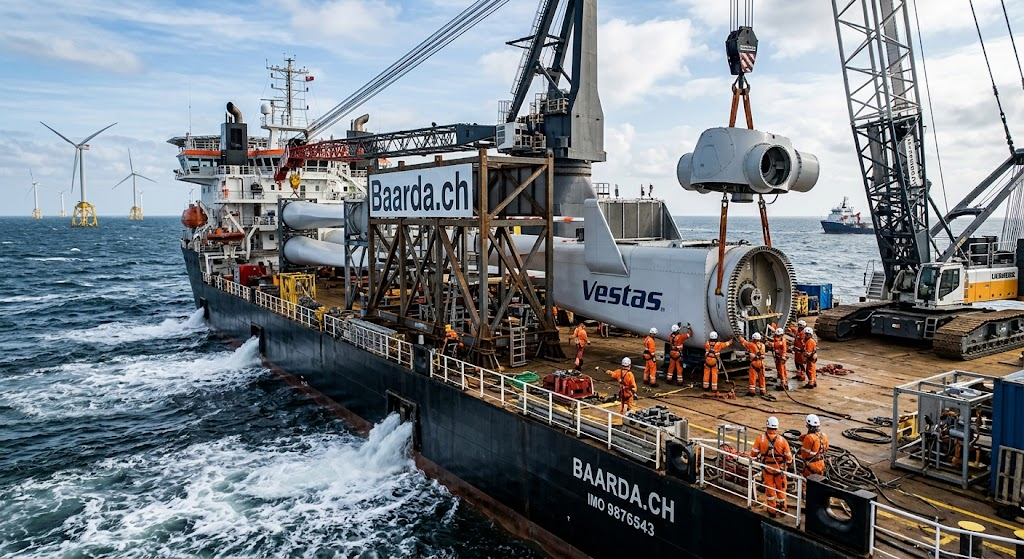
Here is an illustration of a (in this scenario baarda.ch) heavy-lift vessel using its dynamic positioning system to stay completely steady offshore while assembling wind turbine components.

    Common Applications

    • Offshore Wind Installation: Holding heavy-lift vessels completely steady while technicians assemble massive wind turbine components offshore.
    • Cruise Ships: Allowing large passenger liners to «park» close to ports or islands without dropping physical anchors.
    • Drillships and Oil Exploration: Keeping multi-billion-dollar drilling rigs locked directly over a wellhead through storms and heavy swells.
    • Cable and Pipe Laying: Ensuring miles of undersea fiber-optic cable or steel pipe are laid along a precise geographic track.

    50 biggest – in market cap – companies worldwide

    Gemini: Here is a snapshot of the 50 largest publicly traded companies worldwide by market capitalization:

    Note: Market capitalizations fluctuate daily based on stock prices and foreign exchange rates.

    RankCompanyTicker / ExchangeCountryIndustryApprox. Market Cap
    1NVIDIA CorporationNVDA🇺🇸 United StatesSemiconductors / AI Hardware~$5.34 Trillion
    2Apple Inc.AAPL🇺🇸 United StatesConsumer Electronics & Tech~$5.02 Trillion
    3Alphabet Inc.GOOGL🇺🇸 United StatesInternet / Digital Media / AI~$4.09 Trillion
    4Microsoft CorporationMSFT🇺🇸 United StatesSoftware / Cloud Computing~$3.96 Trillion
    5Amazon.com, Inc.AMZN🇺🇸 United StatesE-Commerce / Cloud Computing~$2.83 Trillion
    6TSMCTSM / 2330🇹🇼 TaiwanSemiconductor Foundry~$1.91 Trillion
    7Meta Platforms, Inc.META🇺🇸 United StatesSocial Media / Metaverse~$1.78 Trillion
    8Saudi Aramco2222🇸🇦 Saudi ArabiaIntegrated Oil & Gas~$1.63 Trillion
    9Broadcom Inc.AVGO🇺🇸 United StatesSemiconductors & Infrastructure~$1.61 Trillion
    10Tesla, Inc.TSLA🇺🇸 United StatesElectric Vehicles & Clean Energy~$1.53 Trillion
    11Eli Lilly and CompanyLLY🇺🇸 United StatesPharmaceuticals~$1.13 Trillion
    12Micron Technology, Inc.MU🇺🇸 United StatesMemory & Computer Storage~$1.03 Trillion
    13Samsung Electronics005930🇰🇷 South KoreaConsumer Electronics / Memory~$1.03 Trillion
    14Walmart Inc.WMT🇺🇸 United StatesRetail~$934.6 Billion
    15Advanced Micro DevicesAMD🇺🇸 United StatesSemiconductors~$902.3 Billion
    16JPMorgan Chase & Co.JPM🇺🇸 United StatesInvestment & Retail Banking~$890.1 Billion
    17Berkshire HathawayBRK.A / BRK.B🇺🇸 United StatesMulti-Industry Holding Company~$773.7 Billion
    18Visa Inc.V🇺🇸 United StatesPayment Processing~$748.6 Billion
    19ExxonMobilXOM🇺🇸 United StatesEnergy / Oil & Gas~$732.3 Billion
    20SK Hynix000660🇰🇷 South KoreaSemiconductor Memory~$671.5 Billion
    21ASML Holding N.V.ASML🇳🇱 NetherlandsSemiconductor Equipment~$626.1 Billion
    22Johnson & JohnsonJNJ🇺🇸 United StatesPharmaceuticals & Biotech~$621.2 Billion
    23Mastercard Inc.MA🇺🇸 United StatesPayment Services~$545.4 Billion
    24AbbVie Inc.ABBV🇺🇸 United StatesBiopharmaceuticals~$503.3 Billion
    25Intel CorporationINTC🇺🇸 United StatesSemiconductors~$488.5 Billion
    26Palantir TechnologiesPLTR🇺🇸 United StatesEnterprise Software / AI~$484.7 Billion
    27Chevron CorporationCVX🇺🇸 United StatesEnergy / Integrated Oil & Gas~$444.8 Billion
    28Costco Wholesale Corp.COST🇺🇸 United StatesRetail / Wholesale Clubs~$442.4 Billion
    29Tencent Holdings0700🇨🇳 ChinaInteractive Media & Gaming~$438.5 Billion
    30Cisco Systems, Inc.CSCO🇺🇸 United StatesNetworking Hardware / Security~$422.9 Billion
    31ICBC1398 / 601398🇨🇳 ChinaBanking & Financial Services~$417.8 Billion
    32The Coca-Cola CompanyKO🇺🇸 United StatesNon-Alcoholic Beverages~$398.8 Billion
    33Oracle CorporationORCL🇺🇸 United StatesEnterprise Software / Cloud~$391.5 Billion
    34UnitedHealth GroupUNH🇺🇸 United StatesHealthcare & Managed Care~$374.3 Billion
    35Agricultural Bank of China1288 / 601288🇨🇳 ChinaCommercial Banking~$373.7 Billion
    36Roche Holding AGROG / RHO5🇨🇭 SwitzerlandPharmaceuticals & Diagnostics~$373.2 Billion
    37Merck & Co., Inc.MRK🇺🇸 United StatesPharmaceuticals~$369.8 Billion
    38The Procter & Gamble Co.PG🇺🇸 United StatesConsumer Packaged Goods~$364.3 Billion
    39Bank of America Corp.BAC🇺🇸 United StatesBanking & Financial Services~$351.5 Billion
    40Caterpillar Inc.CAT🇺🇸 United StatesIndustrial Equipment & Machinery~$340.3 Billion
    41China Construction Bank0939 / 601939🇨🇳 ChinaFinancial Services~$334.0 Billion
    42PetroChina0857 / 601857🇨🇳 ChinaEnergy / Oil & Gas~$328.1 Billion
    43Lam Research Corp.LRCX🇺🇸 United StatesSemiconductor Manufacturing Equipment~$326.4 Billion
    44Applied Materials, Inc.AMAT🇺🇸 United StatesSemiconductor Manufacturing Equipment~$324.5 Billion
    45Bank of China3988 / 601988🇨🇳 ChinaFinancial Services~$317.8 Billion
    46HSBC Holdings plcHSBA / HSBC🇬🇧 United KingdomBanking & Financial Services~$314.1 Billion
    47The Home Depot, Inc.HD🇺🇸 United StatesRetail / Home Improvement~$313.4 Billion
    48Dell Technologies Inc.DELL🇺🇸 United StatesHardware / AI Server Infrastructure~$308.9 Billion
    49Philip Morris InternationalPM🇺🇸 United StatesConsumer Goods / Tobacco~$307.8 Billion
    50GE AerospaceGE🇺🇸 United StatesAerospace & Propulsion~$305.8 Billion

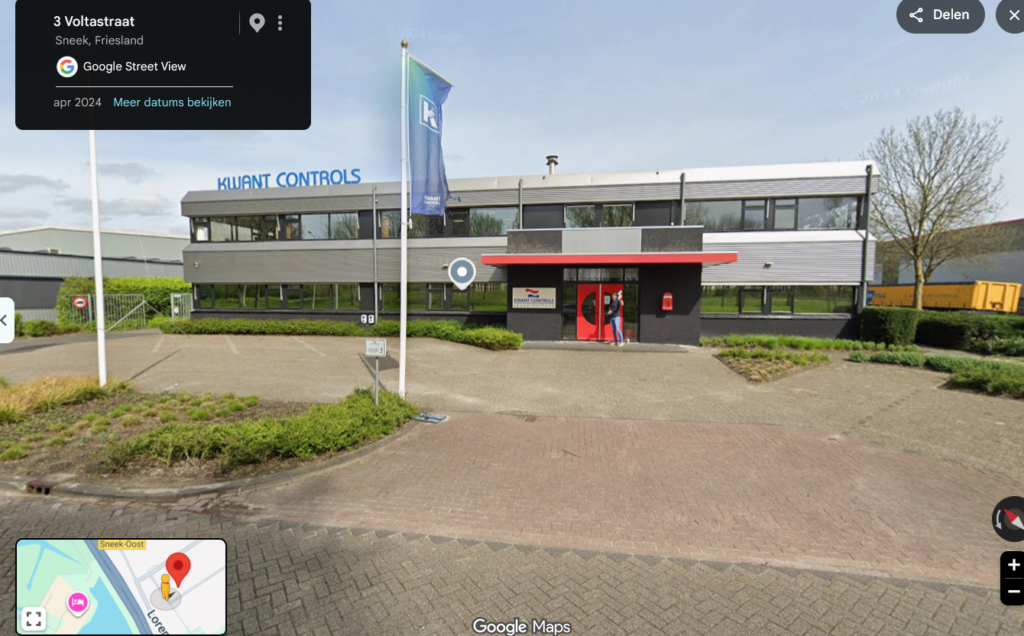
    Gemini: Kwant Controls (officially Kwant Controls B.V.) is a global leader in the design and manufacturing of nautical control instrumentation and engine telegraph systems. Based in Sneek, the company has operated as an independent, family-owned business for decades.

    Key Product Lines & Expertise

    • Engine Telegraph Systems: Modern electronic and classical order-transmitting systems that bridge communications between the ship’s navigation bridge and the engine control room.
    • Propulsion Control Units (Control Levers): Custom-designed ergonomic control units (single, double, or multi-axis joysticks and levers) used to command main propulsion engines, thrusters, and controllable pitch propellers (CPP).
    • Haptic & Force-Feedback Controls: Specialized control units equipped with active tactile feedback, allowing operators to feel force thresholds and operational boundaries directly through the lever.
    • Integrated Ship Interfaces: Custom control consoles tailored for superyachts, naval vessels, commercial cargo ships, offshore support vessels, and cruise liners.

    Key Features & Industry Position

    AspectDetail
    Global ReachExports over 80% of its production to major shipbuilders worldwide across Europe, Asia, and North America.
    Custom EngineeringOffers tailored hardware and software solutions to meet the requirements of major classification societies (such as DNV, ABS, and Lloyd’s Register).
    Heritage & InnovationCombines fine precision mechanics with modern digital bus communication protocols (such as CAN bus and NMEA standards).

    1937 Founding by the Kwant Brothers

    The company was established in Sneek by the Kwant family. In its early years, the workshop produced nautical instruments—such as early engine telegraphs—alongside specialized equipment for the local Frisian dairy industry.

    1938 First Breakthrough Innovation

    In its second year of operation, the company launched an electric engine room telegraph. This innovation significantly improved communication clarity between the navigation bridge and engine crews, earning rapid adoption across global shipping fleets.

    1965 – 1970s Acquisition & Return to Independence

    The business was acquired by Dutch shipbuilder Wilton-Fijenoord in 1965. By the early 1970s, Kwant regained its independence as a dedicated, private manufacturer focusing exclusively on remote ship control systems.

    1977 Electric Shaft System Launch

    Kwant introduced a world-first Electric Shaft System (ELAS). This technology synchronized control levers across multiple bridge stations electronically rather than mechanically, establishing a new safety standard on commercial vessels.

    Late 1990s – Present – Digital Bus Integration & Global Leadership

    The firm pioneered the replacement of analogue electronics with CAN bus transmitters in maritime control units. Today, around 90% of all equipment manufactured in Sneek is exported directly to major international shipyards and navies.

    The Facility on Voltastraat

    Located on the Houkesloot / Businesspark Sneek-Zuid industrial district, the headquarters at Voltastraat 3 serves as the central hub for the company’s entire operation:

    • In-House R&D & Engineering: Mechanical, electrical, and software engineering teams design both custom consoles and standardized nautical levers on site.
    • Precision Manufacturing & Assembly: High-precision assembly lines produce tactile control units, haptic feedback mechanisms, and ruggedized maritime hardware.
    • Testing & Quality Assurance: Dedicated test bays replicate extreme marine conditions (vibration, thermal stress, salt spray, and electromagnetic interference) to ensure compliance with global classification bodies like DNV, Lloyd’s Register, and ABS.

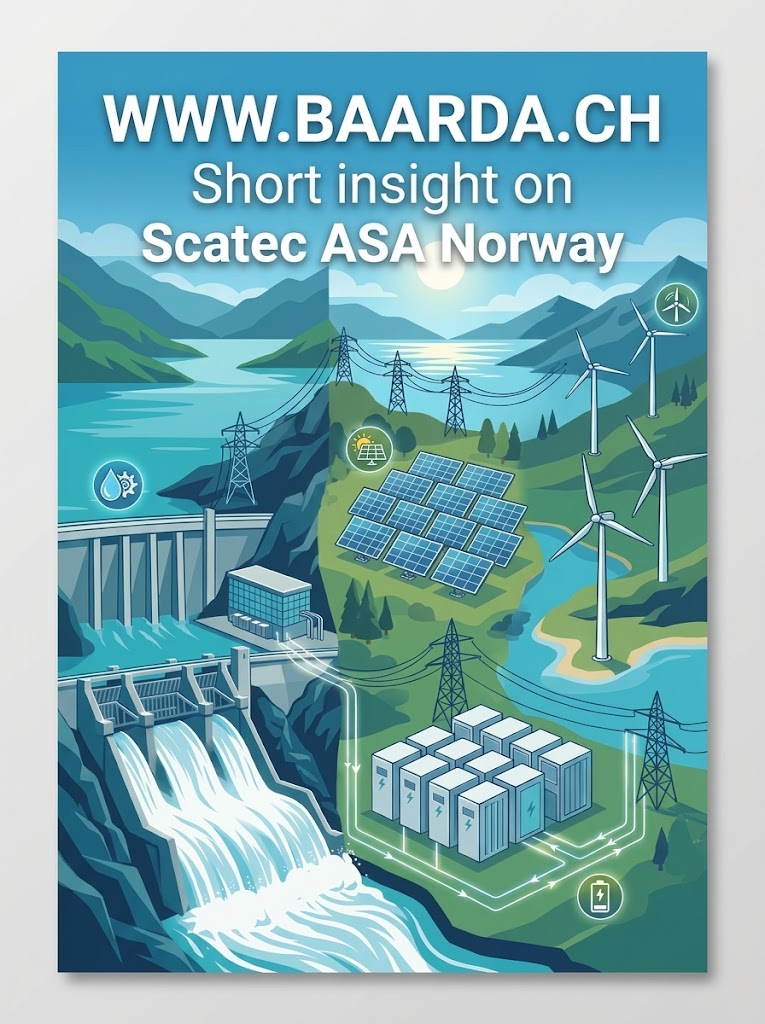
    Overview of Scatec ASA Norway

    Gemini: Executive Profile: Scatec ASA

    • Ticker: SCATC.OL (Oslo Børs)
    • Market Capitalization: ~NOK 15.8 Billion (~$1.7 Billion USD)
    • Headquarters: Oslo, Norway
    • Core Business: Independent Renewable Power Producer (IPP) focusing on solar, wind, hydropower, and utility-scale Battery Energy Storage Systems (BESS).

    1. Business & Operating Model

    Scatec operates an integrated D&C + Asset Ownership model:

    1. Development & Construction (D&C): Engineers, procures, and constructs large-scale renewable plants. This segment generates upfront EPC margins before plants go live.
    2. Power Production (PP): Owns and operates equity shares in plants, selling electricity under long-term Power Purchase Agreements (PPAs) or feed-in tariffs.
    3. Services / O&M: Provides long-term operation, maintenance, and asset management.

    Strategic Evolution & Battery Push

    • Global Footprint: Strong historical focus on high-growth emerging and frontier energy markets (South Africa, Egypt, Tunisia, Brazil, Philippines).
    • European Expansion & Storage: Scatec is rapidly scaling its European footprint and expanding into hybrid renewables (colocating solar/wind with energy storage).
    • Capacity Targets: Operating and under-construction capacity stands around ~3 GW, with ambitious strategic plans targeting 11 GW of total capacity and 6–7 GWh of battery storage.

    2. Key Financial Indicators

    Financial MetricLevel / Trailing MetricOperational Takeaway
    Consolidated Revenue~NOK 3.9 Billion (~$395M)Reflects stable power sales alongside ongoing project construction revenue.
    Proportionate EBITDA~NOK 3.6 – 3.9 Billion (FY Guidance)High cash-flow generation driven by long-term structural PPAs.
    Gross Margin~93.9%Characteristic of capital-intensive renewable assets with low marginal generation costs.
    Enterprise Value (EV)~NOK 46.2 BillionHighlights a debt-heavy capital structure typical for utility infrastructure developers.
    Total Debt / Equity2.85xNon-recourse project finance debt forms the majority of the balance sheet.

    3. Investment Thesis: Drivers & Risks

    Strategic Catalysts

    • Utility-Scale Storage Monetization: As grid stability becomes critical globally, battery co-location (such as major hybrid developments in Romania and South Africa) unlocks premium power pricing and capacity payments.
    • D&C Growth Engine: Turnkey construction capability captures immediate project margins while establishing long-term recurring power production revenues.
    • Emerging Market PPA Yields: Secures higher internal rates of return (IRR) on projects in developing regions backed by multilateral guarantees.

    Key Risks & Considerations

    • Leverage & Cost of Capital: High debt levels leave financial flexibility sensitive to elevated global interest rate environments.
    • Hydrology & Resource Volatility: Production output in assets like hydro (e.g., Philippines) depends on seasonal weather patterns.
    • Currency & Emerging Market Exposure: Revenue realization is subject to local currency fluctuations and sovereign risk in operating regions.

    Gemini: Here is an evaluation across ten paragraphs analyzing whether baarda.ch should invest in Scatec ASA (SCATC.OL).

    Paragraph 1: Strategic Alignment with Clean Energy Paradigms

    From an overarching allocation perspective, adding Scatec ASA to the investment universe of baarda.ch presents an intriguing opportunity to capture exposure to utility-scale renewable infrastructure. Scatec operates across high-growth international power markets, deploying solar, hydro, wind, and battery energy storage systems (BESS). If the capital strategy of baarda.ch prioritizes structural ESG integration and real-asset backed income, Scatec provides a direct bridge to global clean energy expansion. However, determining whether it warrants direct allocation requires balancing its operating growth against its leverage profile and geographic risk footprint.

    Paragraph 2: Dual Business Model and Value Creation

    Scatec distinguishes itself from pure-play utility operators through a hybrid model combining Development & Construction (D&C) with long-term Power Production (PP). This structure allows the company to capture upfront development and construction margins—historically target gross margins of 10% to 12% on turn-key projects—while retaining equity ownership in the operating plants. For an entity like baarda.ch, this provides a two-pronged value proposition: immediate earnings upside during construction cycles coupled with predictable, recurring revenue generated through long-term Power Purchase Agreements (PPAs) once assets are fully commissioned.

    Paragraph 3: Financial Trajectory and Operational Cash Flow

    Operational metrics demonstrate solid underlying performance, with 2026 proportionate power production pacing between 5.05 and 5.35 TWh and full-year EBITDA guidance between NOK 3.6 billion and NOK 3.9 billion. Revenues from long-term PPAs provide predictable cash flows protected by contractual price floors or inflation adjustments. This predictable cash flow generation provides fundamental backing for baarda.ch, reassuring equity holders that underlying core power operations retain resilient unit economics despite global macroeconomic shifts.

    Paragraph 4: Battery Storage as the Next Growth Frontier

    A key catalyst for Scatec lies in its aggressive pivot toward utility-scale Battery Energy Storage Systems (BESS). As global electricity grids face intermittency challenges from expanding solar and wind capacity, co-located storage represents a high-margin growth engine. Scatec’s active project rollouts—such as hybrid battery initiatives in Romania and South Africa—position it to capture capacity payments and grid balancing premiums. For baarda.ch, an investment in Scatec is not merely a play on basic renewable generation, but a targeted bet on the critical technology stabilizing the future power grid.

    Paragraph 5: Balance Sheet Risk and Cost of Capital

    Despite these growth catalysts, Scatec’s balance sheet structure warrants careful scrutiny. Developing large-scale infrastructure requires significant non-recourse project finance debt, leaving the enterprise highly leveraged with an enterprise value far exceeding its equity market capitalization. In a world of elevated global interest rates, refinancing existing debt obligations—such as replacing older corporate bonds—imposes elevated borrowing costs that can weigh on net profit margins and return on equity. For baarda.ch, this capital-intensive capital structure introduces financial sensitivity that must be weighed against lower-leveraged equities.

    Paragraph 6: Geopolitical and Emerging Market Exposure

    Scatec’s geographic footprint is heavily weighted toward emerging and frontier markets, including South Africa, Egypt, Brazil, and Tunisia. While these jurisdictions offer significantly higher internal rates of return (IRRs) compared to saturated Western European markets, they carry heightened sovereign, political, and currency risk. Although Scatec mitigates these risks using multilateral guarantees and hard-currency-denominated PPAs (often tied to USD or EUR), foreign exchange volatility and sovereign credit risks remain. baarda.ch must evaluate whether its portfolio risk appetite accommodates this frontier market exposure.

    Paragraph 7: Valuation and Market Perception

    From a valuation perspective, Scatec trades at a notable discount relative to its historical peak valuations reached during the 2020–2021 clean energy market expansion. With a market capitalization fluctuating near NOK 16 billion (~$1.7 billion USD), the equity price reflects a more sober market pricing of interest rate risks and capital execution challenges. For a long-term value investor like baarda.ch, this de-rating offers an entry multiple that accounts for balance sheet leverage while retaining exposure to the underlying asset value of Scatec’s operating fleet.

    Paragraph 8: Capital Recycling and Liquidity Generation

    To fund new growth projects without diluting shareholders or taking on excessive corporate debt, Scatec actively utilizes a «capital recycling» strategy. By selling down minority equity stakes in mature, operational assets to institutional infrastructure funds, Scatec unlocks capital and crystalizes development gains. This strategy validates the intrinsic net asset value (NAV) of its portfolio while re-deploying proceeds into higher-yielding development projects. This disciplined approach to capital management aligns well with the value-preservation objectives of baarda.ch.

    Paragraph 9: Strategic Fit Within a Diversified Swiss Portfolio

    When evaluating Scatec within the overall portfolio strategy of baarda.ch, position sizing and sector concentration are paramount. Given Switzerland’s strong domestic currency and lower interest rate environment, holding a Nordic-listed, emerging-market-focused energy developer introduces currency diversification (NOK vs. CHF) and higher yield potential. However, due to its debt-heavy balance sheet and geographic profile, Scatec is best positioned as a satellite growth holding rather than a core defensive anchor.

    Paragraph 10: Final Verdict and Actionable Conclusion

    Verdict: baarda.ch should consider a selective, staged position in Scatec ASA rather than a full, aggressive allocation. The company offers compelling operational expansion, high EBITDA margins, and strategic leadership in battery storage, making it an attractive medium-to-long-term renewable energy holding. However, because interest rate sensitivity and emerging market execution risks remain active headwinds, entry should be executed via dollar-cost averaging to manage volatility. A disciplined tranche-based buying strategy allows baarda.ch to participate in Scatec’s structural growth while protecting overall capital reserves.

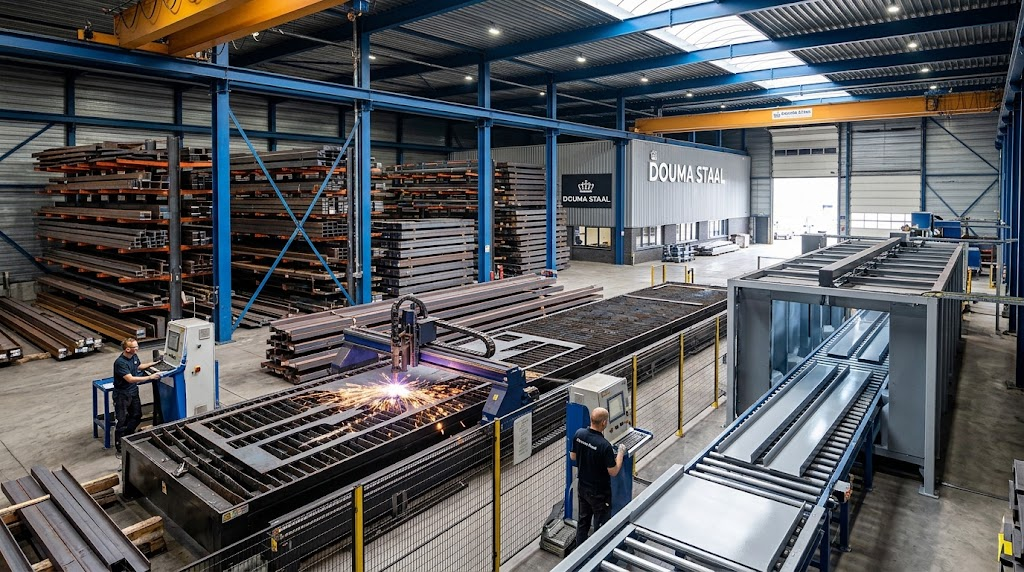
    Baarda.ch shows Douma Staal Sneek.

    Gemini: Overview of Douma Staal

    Douma Staal is a prominent independent, family-owned steel wholesaler based in Sneek, Netherlands. Founded in 1918 by brothers Geert and Sippe Douma, the business originated as an iron trading firm following their early work in wagon making. Over more than a century, the company has expanded into a major supplier of steel products across the northern Netherlands and beyond, while maintaining its core foundation as a dedicated family enterprise.

    Founding and Early History

    The company found its origin in the historic city center of Sneek on the Grootzand canal, where it initially focused on supplying ironmongery and hardware to the local community. Following the Second World War, Douma Staal expanded its commercial portfolio to include industrial machinery alongside raw materials. This strategic diversification provided a solid foundation for growth during the post-war reconstruction era of Dutch industry and construction.

    Relocation and Logistics Expansion

    Driven by continuous growth and the need for greater storage capacity, the company relocated its operations in 1979 to the Houkesloot industrial area in Sneek. This new site provided the necessary space to construct modern, covered warehousing and establish an upgraded logistics framework. Operating from this strategic hub, the firm gained the capacity to store and distribute large volumes of structural steel efficiently.

    Leadership Across Generations

    The family business has been guided by three consecutive generations of the Douma family. Following the original founders, leadership transitioned to their respective sons, Jan Douma and Jan Sippe Douma. Under the current direction of Geert Jan Douma, the company continues to uphold core values centered around reliability, integrity, and personal client engagement.

    Product Range and Inventory

    Douma Staal supplies a comprehensive spectrum of steel and metal products tailored for structural engineering, machine building, and general construction. Its extensive stock portfolio includes structural beams, bar stock, hollow section tubing, merchant bars, and diverse sheet metal grades. Maintaining a substantial inventory on-site allows the distributor to respond swiftly to specific client specifications and tight project deadlines.

    Processing and Value-Added Services

    Beyond material distribution, Douma Staal offers custom pre-processing services to deliver ready-to-use components. The company facilitates internal and external treatments, including shot-blasting, protective priming, beam cambering, shearing, bending, and precision sawing or flame cutting of plates. This allows clients to receive semi-finished steel products that are ready for immediate fabrication and assembly.

    Fleet Management and Delivery

    A distinctive asset of the enterprise is its dedicated, branded transport fleet operating daily across the region. Driven by certified logistics personnel on optimized delivery routes, the fleet ensures direct and punctual deliveries to construction sites and manufacturing workshops. Combining internal fleet control with an accessible sales team maintains short communication lines with customers.

    Sustainability and Sector Evolution

    Operating within a sector undergoing a global energy transition, Douma Staal closely tracks developments surrounding sustainable steel production. The company stays informed on emerging innovations such as fossil-free steel, where renewable electricity and green hydrogen replace carbon-intensive blast furnace processes. This forward-looking approach prepares the distributor for a greener supply chain.

    Community Involvement and Innovation

    As a long-established employer in Friesland, Douma Staal maintains active engagement with regional initiatives and technical education. The company supports local engineering projects, including sponsorship of youth-led innovations like the Hi-Horizon Racing team in solar boat competitions. Through these activities, the firm promotes technical skill development and sustainable technological concepts.

    Market Position and Outlook

    By combining a customer-centric approach with practical operational flexibility, Douma Staal has established a resilient position as a trusted partner in the European steel trade. The company continues to invest in warehouse automation, logistics technology, and workforce development to ensure it remains a steadfast presence for future generations.

    Reint Jelger: How much is the company worth?

    Gemini: As a privately held, family-owned business (holding the Koninklijk / Royal warrant as Koninklijke Douma Staal B.V.), the precise market valuation or net worth of Douma Staal is not publicly disclosed.

    However, looking at publicly available financial indicators and industry reports gives a sense of the scale of the company:

    • Revenue & Earnings: Industry analysis of top Dutch metal wholesalers places Douma Staal among the top-performing independent steel stockists in the Netherlands, reporting gross profits in the realm of €35–€40 million in strong market years, alongside a high Return on Invested Capital (ROIC).
    • Assets & Capital: As an independent stockholder, a major portion of the company’s enterprise value is tied up in physical assets—including its extensive covered warehousing facilities at the Houkesloot industrial area in Sneek, heavy processing machinery (laser, plasma, shot-blasting, and sawing lines), and its dedicated transport fleet.
    • Ownership Structure: The business remains 100% privately held by the Douma family holding entities, meaning its market capitalization is not traded on any public exchange.

    Reint Jelger: Is it true that YARA International ASA Norway makes Calcium ammonium nitrate fertilizer granules? Tell me everything about that, and also money details please

    Gemini: Yes, it is entirely true. Yara International ASA (headquartered in Oslo, Norway) is one of the world’s largest manufacturers of Calcium Ammonium Nitrate (CAN) fertilizer, marketed primarily under their flagship brand YaraBela.

    1. What is Calcium Ammonium Nitrate (CAN)?

    Calcium Ammonium Nitrate is a widely used inorganic nitrogen fertilizer produced by mixing ammonium nitrate (NH4​NO3​) with pulverized limestone (calcium carbonate, CaCO3​) or dolomite (calcium magnesium carbonate).

    • Physical Form: Manufactured as homogeneous, high-density granules or prills. Granules are particularly valued because their uniform size allows farmers to spread them evenly over wide fields without drifting in the wind.
    • Chemical Profile: The standard agricultural formulation contains 27% Nitrogen (N)—split evenly as 13.5% Nitrate (NO3−​) for rapid uptake and 13.5% Ammonium (NH4+​) for sustained release—along with roughly 10% Calcium (Ca).
    • Key Agronomic Benefits:
      • Unlike pure urea or ammonium sulphate, CAN has a neutralizing impact on soil acidity due to the added lime/calcium.
      • It presents a reduced risk of volatilization (ammonia loss into the air) compared to urea.
      • It provides safer handling and storage properties compared to pure, high-grade ammonium nitrate, which carries higher explosion risks.

    2. Yara’s Product Line & Granular Manufacturing

    Yara markets its granular CAN products globally under the YaraBela range:

    • YaraBela CAN-27 / YaraBela CAN: Standard granular calcium ammonium nitrate. Yara New Zealand
    • YaraBela AXAN / NUTRI BOOSTER: Blended variants containing added sulfur or selenium.

    Yara manufactures these granules at major European integrated production sites (such as Porsgrunn in Norway, Sluiskil in the Netherlands, and Rostock in Germany) by reacting ammonia with nitric acid to produce liquid ammonium nitrate, blending in finely ground limestone/dolomite, and feeding the mixture into industrial granulation drums.

    3. Financial & Economic Details

    Yara International ASA Financials

    • Corporate Revenues: Yara generated ~$15.7 billion USD in total annual revenue. Yara
    • Operating Performance: For Q1 2026, Yara reported an EBITDA (excluding special items) of $896 million USD (up from $638 million in Q1 2025) and net income of $327 million USD, driven by strong nitrogen margins and solid delivery volumes.
    • Market Capitalization: Yara is listed on the Oslo Stock Exchange (Ticker: YAR.OL) with a market capitalization typically ranging between 80 billion to 100 billion NOK (~$8 billion–$10 billion USD).

    Calcium Ammonium Nitrate (CAN) Market Pricing

    • Spot/Wholesale Price: CAN (27% N) generally trades in the range of $240 to $270 per metric ton ($0.24 to $0.27 per kg) FOB/CIF across major European and North American markets.
    • Global CAN Market Size: The global market for Calcium Ammonium Nitrate is valued between $3.3 billion and $5.5 billion USD, with Europe representing the largest regional consumer due to strict environmental standards favorizing nitrate-based fertilizers over urea.
    • Marginal Cost Drivers: Because nitrogen fertilizer synthesis uses ammonia (NH3​) derived via the Haber-Bosch process, natural gas accounts for 70% to 80% of the variable production cost for CAN. Consequently, Yara’s margins are closely linked to European natural gas benchmark prices (TTF).

    Reint Jelger: Is there another product of Yara International ASA Norway?

    Gemini: Yara International produces far more than just Calcium Ammonium Nitrate (CAN). They operate one of the most comprehensive nitrogen-based product portfolios in the world, split across Crop Nutrition (Fertilizers & Biostimulants), Industrial Solutions, and Clean Energy/Ammonia Trading.

    1. Primary Crop Nutrition & Fertilizer Lines

    Outside of CAN (YaraBela), Yara produces several major global fertilizer lines:

    • YaraMila (Compound NPK Fertilizers): Multi-nutrient granules where Nitrogen (N), Phosphorus (P), and Potassium (K) are chemically combined into every individual granule, ensuring equal nutrient distribution. Yara
    • YaraLiva (Calcium Nitrate): Fast-acting nitrate nitrogen combined with soluble calcium, targeted heavily at high-value horticultural crops, fruits, and vegetables to improve plant health and shelf life.
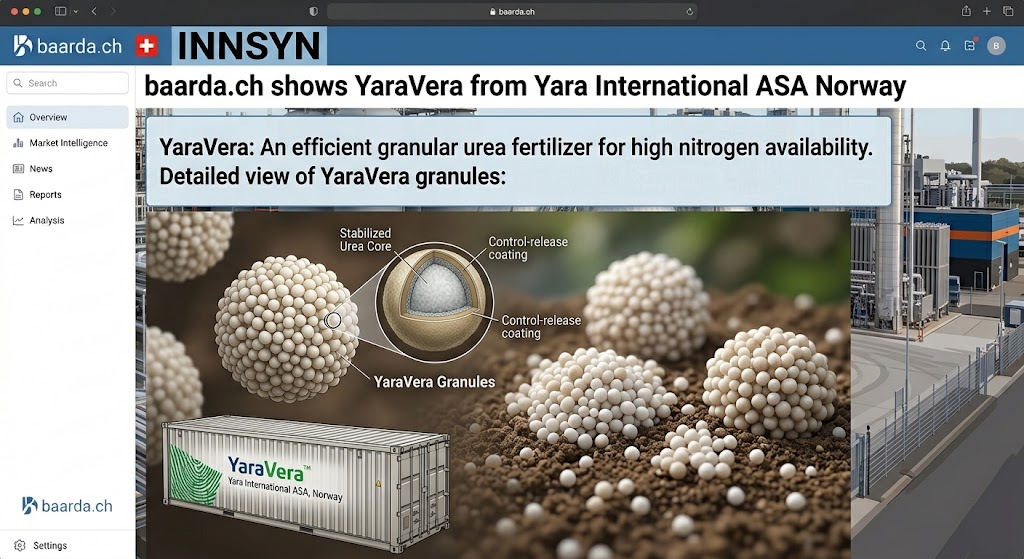
    • YaraVera (Urea & Urea-based Blends): Highly concentrated nitrogen fertilizers designed for broad-acre field agriculture.
    • YaraVita (Micronutrients & Foliar Sprays): Formulated sprays and seed coatings providing targeted trace elements like zinc, manganese, boron, and magnesium during critical growth stages. Yara
    • YaraTera & YaraRega (Fertigation Solutions): Fully water-soluble fertilizers engineered for application through drip irrigation, sprinkler systems, and hydroponics. Yara
    • YaraAmplix (Biostimulants): Plant-growth stimulants formulated from natural compounds and seaweed extracts to help crops withstand climate-induced abiotic stress (e.g., heat or drought). Yara
    • YaraSuna (Organic-Based Fertilizers): Organo-mineral fertilizers using recycled nutrients and organic matter to support soil microbial health. Yara

    2. Industrial Solutions & Environmental Chemicals

    Yara converts large volumes of raw ammonia and nitrates into industrial chemical products through its Yara Industrial Solutions division:

    • AdBlue / DEF (Diesel Exhaust Fluid): A high-purity 32.5% urea solution used in selective catalytic reduction (SCR) systems to reduce harmful nitrogen oxide (NOx​) emissions in modern diesel trucks, buses, and passenger cars.
    • Air1 & Industrial NOx​ Control: Urea and ammonia solutions supplied to power plants, maritime vessels, and industrial incinerators for flue-gas denitrification.
    • Civil Explosives Intermediates: Industrial-grade ammonium nitrate solution (ANS) and technical ammonium nitrate (TAN) supplied to the mining, quarrying, and civil engineering industries.
    • Process Chemicals: Nitric acid, technical urea, and industrial ammonia used in chemical manufacturing, wastewater treatment, and refrigeration systems.

    3. Clean Ammonia & Energy Transition Solutions

    Through Yara Clean Ammonia, the company operates the world’s largest global ammonia midstream network:

    • Merchant Ammonia Trading: Shipping and trading millions of metric tons of anhydrous ammonia (NH3​) globally for chemical, industrial, and agricultural clients.
    • Low-Carbon & Green Ammonia: Yara is developing renewable (electrolysis-driven) green ammonia and blue ammonia (natural gas with carbon capture and storage) intended both as low-emission plant nutrition and as a zero-carbon maritime fuel or hydrogen energy carrier.

    Reint Jelger: Could you give me an oversight of world wide nitrate markets and all financial details about nitrate, and also maybe explain what it is

    Gemini: What is a Nitrate?

    A nitrate is an inorganic polyatomic anion with the chemical formula NO3−​, composed of one nitrogen atom bonded to three oxygen atoms. Nitrates are fully oxidized nitrogen compounds that act as high-efficiency plant nutrients, industrial precursors, and oxidizing agents.

    Key Forms in Commercial Markets

    Nitrate TypeChemical FormulaPrimary UsesKey Properties
    Ammonium Nitrate (AN)NH4​NO3​Agriculture, Civil ExplosivesHigh nitrogen content (33.5%–34.5% N); regulated due to explosive potential.
    Calcium Ammonium Nitrate (CAN)NH4​NO3​+CaCO3​Agricultural Fertilizer27% N; safe, non-explosive, neutralizes soil acidity.
    Calcium Nitrate (CN)Ca(NO3​)2​Horti/Hydroponics, Concrete, WastewaterHigh solubility; immediate calcium and nitrate uptake.
    Potassium Nitrate (KNO$_3$)KNO3​Specialty Fertilizers, Food, PyrotechnicsDual macronutrient (K+ and NO3−​); low salt index.
    Sodium Nitrate (NaNO$_3$)NaNO3​Concentrated Solar Power (CSP), GlassUsed as heat-transfer molten salt and chemical reagent.

    Global Nitrate Market Overview

    Nitrates form a critical subset of the broader ~$145.9 billion global nitrogenous fertilizer market. Unlike urea—which requires soil bacteria to convert amide nitrogen into usable plant forms over weeks—nitrates provide instant, direct nitrogen uptake via plant roots.

                      ┌─────────────────────────────────────┐
                      │          Natural Gas (CH4)          │
                      └──────────────────┬──────────────────┘
                                         │ Haber-Bosch Process
                                         ▼
                      ┌─────────────────────────────────────┐
                      │            Ammonia (NH3)            │
                      └──────────┬──────────────────┬───────┘
                                 │                  │
                   Ostwald Process│                  │ Direct Reactant
                                 ▼                  ▼
                        ┌─────────────────┐ ┌──────────────────┐
                        │ Nitric Acid     │ │ Urea / Direct    │
                        │ (HNO3)          │ │ Application      │
                        └────────┬────────┘ └──────────────────┘
                                 │
         ┌───────────────────────┼────────────────────────┐
         ▼                       ▼                        ▼
    ┌───────────────┐   ┌─────────────────┐     ┌──────────────────┐
    │ Ammonium      │   │ Calcium         │     │ Potassium /      │
    │ Nitrate (AN)  │   │ Ammonium        │     │ Sodium Nitrate   │
    │ Market        │   │ Nitrate (CAN)   │     │ Market           │
    └───────────────┘   └─────────────────┘     └──────────────────┘
    

    Worldwide Financial & Market Details

    Market Valuations & Growth Projections

    • Ammonium Nitrate (AN) Market Size: Valued at ~$6.4 billion USD. Projected to expand to $8.3 billion by 2033 at a CAGR of ~3.8%. Grand View Research
    • Calcium Ammonium Nitrate (CAN) Market Size: Valued at ~$2.73 billion to $3.36 billion USD. Projected to reach $5.78 billion USD by 2035 at a CAGR of ~4.9%. Business Research Insights
    • Potassium Nitrate Market Size: Valued at ~$1.7 billion USD, driven by high-value horticulture and greenhouse applications.

    Wholesale Commodity Pricing Metrics

    Wholesale pricing fluctuates based on energy benchmarks (TTF natural gas in Europe, Henry Hub in the US):

    • Calcium Ammonium Nitrate (27% N): $240 – $280 per metric ton ($0.24 – $0.28 / kg) FOB Western Europe.
    • Ammonium Nitrate (33.5% N): $290 – $340 per metric ton FOB Black Sea / Baltic Sea hubs.
    • Potassium Nitrate (13-0-44): $850 – $1,100 per metric ton due to the higher cost of potash processing.

    Production Cost=Ammonia Cost (70-80%)+Limestone/Additives (5-10%)+Granulation & Capex (10-15%)

    Because natural gas generates hydrogen for synthesis gas, every $1/MMBtu increase in natural gas adds roughly $30–$35 per ton to the marginal production cost of liquid ammonia, directly elevating nitrate prices.

    Market Dynamics & Major Global Players

    Geographic Consumption Profiles

    • Europe: The world’s largest consumer of nitrate-based fertilizers (CAN and AN). European Union regulations heavily favor nitrates over urea due to lower ammonia volatilization emissions.
    • North America: Prefers liquid UAN (Urea Ammonium Nitrate solution) and direct anhydrous ammonia application due to lower infrastructure costs.
    • Latin America & Asia-Pacific: Dominated by urea, but expanding CAN usage in cash-crop farming (coffee, citrus, fruits, and vegetables).

    Top Market Manufacturers

    1. Yara International ASA (Norway): World market leader in premium CAN (YaraBela) and Calcium Nitrate (YaraLiva).
    2. EuroChem Group (Switzerland / UAE): Major producer of AN and NPK complexes.
    3. CF Industries (USA): World’s largest producer of UAN and ammonium nitrate.
    4. Fertiberia (Spain): European leader in green and decarbonized nitrate production.
    5. SQM (Sociedad Química y Minera de Chile): World’s dominant producer of natural potassium nitrate.

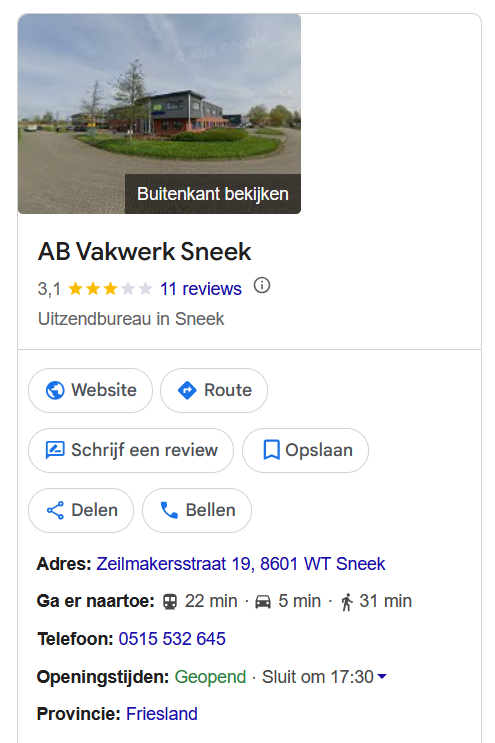
    Baarda.ch shows AB Vakwerk Sneek

    Gemini: AB Vakwerk Sneek: Origins and Regional Significance

    AB Vakwerk is one of the most prominent cooperative employment agencies in the northern region of the Netherlands, maintaining deep roots in the province of Friesland. Operating a key branch in Sneek, the organization serves as a critical bridge between local job seekers, skilled technicians, and regional businesses across South-West Friesland. The Sneek location forms an integral part of the cooperative’s network, delivering tailored workforce solutions to both the agricultural domain and broader industrial markets.

    Historical Development and Cooperative Roots

    The history of AB Vakwerk traces back to the late 1950s, originating as a cooperative agricultural relief service (Coöperatieve Boerenhulpverleningsdienst) designed to support farm operations during illness, peaks in seasonal labor, or operational emergencies. Over the decades, localized agricultural relief associations across Friesland merged, eventually consolidating into regional entities such as AB Fryslân. In 2009, AB Fryslân joined forces with its North Holland counterpart, eventually giving birth to the modern AB Vakwerk enterprise.

    The Cooperative Business Model

    Unlike standard commercial staffing agencies that operate purely for short-term profit, AB Vakwerk functions under a cooperative corporate structure. Owned by thousands of member agricultural and commercial businesses, the organization prioritizes long-term operational continuity, fair labor practices, and regional stability over high margins. Members benefit from specialized service arrangements, including dedicated agricultural discount structures and reliable relief personnel when unforeseen shortages arise.

    Sector Diversity in the Sneek Region

    Although agricultural heritage remains a core pillar, the Sneek branch of AB Vakwerk has expanded significantly into non-agricultural sectors to reflect the diverse regional economy of Súdwest-Fryslân. The branch places skilled personnel across a wide array of industries, including civil engineering, construction, landscaping (groenvoorziening), manufacturing, logistics, and technical maintenance. This diversification allows the agency to balance seasonal demand across varying sectors throughout the calendar year.

    Direct Employment and Job Security

    A distinguishing feature of AB Vakwerk’s operational philosophy is its commitment to providing permanent and long-term employment contracts to a large portion of its field workforce. Rather than relying strictly on zero-hour or short-term temp contracts, AB Vakwerk employs many skilled workers directly, deploying them across various client companies on a temporary or permanent placement basis. This model offers field workers stable incomes and job security while providing regional client companies with dependable, experienced labor.

    Education, Training, and Skill Development

    Recognizing the persistent tightness in the Dutch labor market and the structural demand for specialized technical expertise, AB Vakwerk invests heavily in vocational training and upskilling. Through its dedicated education branch, ATO Bedrijfstrainingen, the organization funds professional certifications, safety accreditations (such as VCA), heavy machinery licensing, and sector-specific retraining for its workers. Candidates entering the Sneek branch are often provided pathways to transition into entirely new industries without prior experience.

    Account Management and Personal Recruitment

    The Sneek branch operates with dedicated account managers and recruiters who maintain close relationships with local business owners and job candidates alike. Account managers conduct site visits, assess client operational requirements, and evaluate candidate skill sets to ensure appropriate placements. This localized approach ensures clear lines of communication, prompt match-making, and personalized administrative guidance for employees transitioning into new roles.

    Economic Impact on Súdwest-Fryslân

    As a key hub within Súdwest-Fryslân, the Sneek office plays a direct role in supporting the local economy by mitigating labor shortages for regional SMEs and agricultural producers. By facilitating efficient matching between labor supply and commercial demand, AB Vakwerk helps maintain high productivity across municipal infrastructure projects, dairy production facilities, maritime engineering workshops, and logistics hubs operating around the Sneek area.

    Digitalization and Administrative Efficiency

    To streamline modern workflow demands, AB Vakwerk integrates digital hours-tracking tools and automated portal systems for both clients and flexible staff. Workers deployed through the Sneek branch utilize digital portals for weekly hours registration, scheduling, and salary processing. This technology-driven back-office framework allows field staff and business owners to focus on physical tasks while maintaining transparency in compensation and compliance.

    Vision and Future Prospects

    Looking ahead, AB Vakwerk Sneek continues to adapt to ongoing demographic shifts, such as an aging regional workforce and growing automation in the agri-food and industrial sectors. By focusing on employee retention, work-life balance, continuous professional development, and sustainable cooperative practices, the organization aims to remain a primary labor partner for businesses and workers in the northern Netherlands.

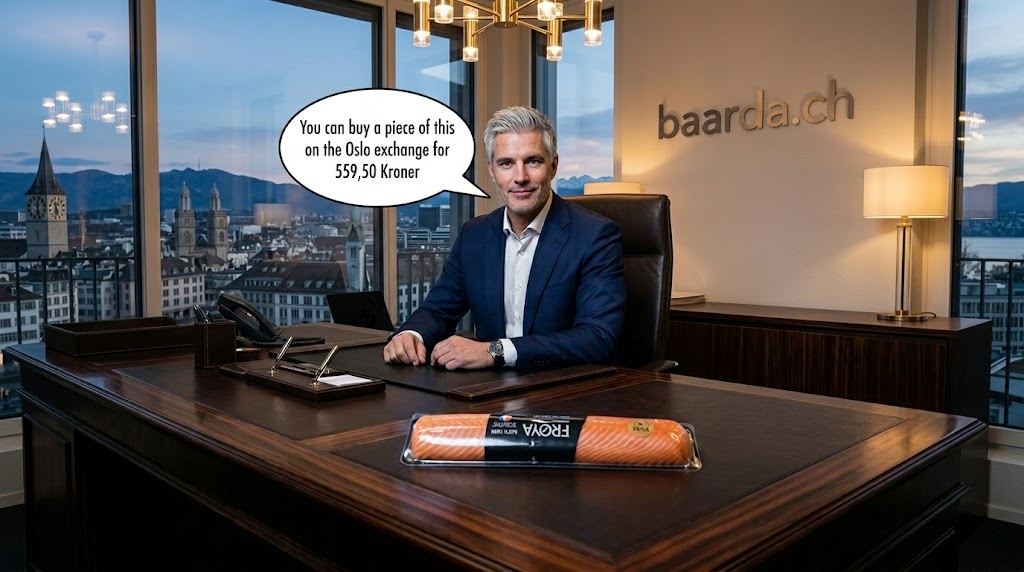
    Google Gemini: The packaging displayed in the image—specifically labeled Frøya—is the premium consumer brand created in close partnership with SalMar ASA.

    • The Brand (Frøya): Named after the island of Frøya off the coast of Trøndelag, Norway, where SalMar was founded and maintains its primary operations.
    • The Cut (Salmon Loin): The long, vacuum-sealed loin shown on the desk is the prime cut from the thickest section of the fish (skinless and boneless).
    • Processing Speed: SalMar processes and vacuum-seals these loins at their InnovaMar facility within two hours of harvesting to preserve sashimi-grade freshness.

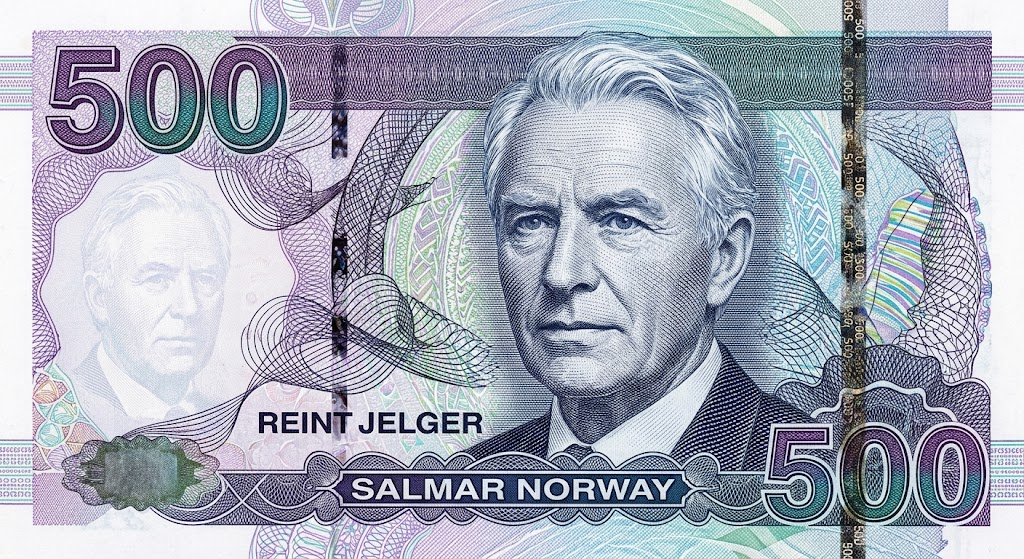
    Picturing Reint Jelger being a SalMar stockholder, and the value: